
Frequently Asked Questions (FAQs)
Patients and families often arrive with many of the same important questions—about safety, outcomes, recovery, and what life will look like after treatment. These questions are not only expected, they are essential. A clear understanding of the process helps reduce anxiety, align expectations, and ensure that each patient feels informed and confident moving forward. Drawing from our experience caring for thousands of patients, as well as the detailed guidance in both the DBS and MRgFUS resources, we have compiled the most common and important questions below.
DBS works by delivering controlled electrical stimulation to specific areas of the brain that are involved in abnormal movement patterns. In conditions like Parkinson’s disease or essential tremor, certain brain circuits become dysregulated. DBS does not remove or destroy these areas—instead, it modulates their activity, helping to restore a more normal balance. The system includes thin electrodes placed in the brain, connected to a small battery (pulse generator) that is typically implanted in the chest.
DBS is most effective for symptoms that respond to medication. In Parkinson’s disease, this includes tremor, stiffness (rigidity), slowness (bradykinesia), and motor fluctuations. It is also highly effective for essential tremor and certain types of dystonia. Symptoms such as balance difficulties, speech problems, or cognitive changes are generally less responsive and may not improve significantly. This is why careful patient selection is so important.
No. DBS is not a cure and does not stop the progression of underlying neurological conditions such as Parkinson’s disease. Instead, it is a powerful tool to manage symptoms and improve quality of life. Many patients experience smoother, more predictable days and reduced dependence on medications, but the underlying condition continues to evolve over time.
Unlike some treatments, DBS does not provide immediate full benefit after surgery. The system is typically turned on and programmed about four weeks after the procedure to allow for healing. From there, improvement develops gradually over several visits as the settings are adjusted and medications are fine-tuned. This process requires patience but allows for highly individualized optimization.
Programming refers to the process of adjusting the DBS system after implantation. Using a specialized device, your neurologist can change stimulation settings to target your symptoms as effectively as possible while minimizing side effects. This is one of the key advantages of DBS—it is adjustable and adaptable over time. Programming is not a single visit but a series of visits, especially early on, as the optimal settings are identified.
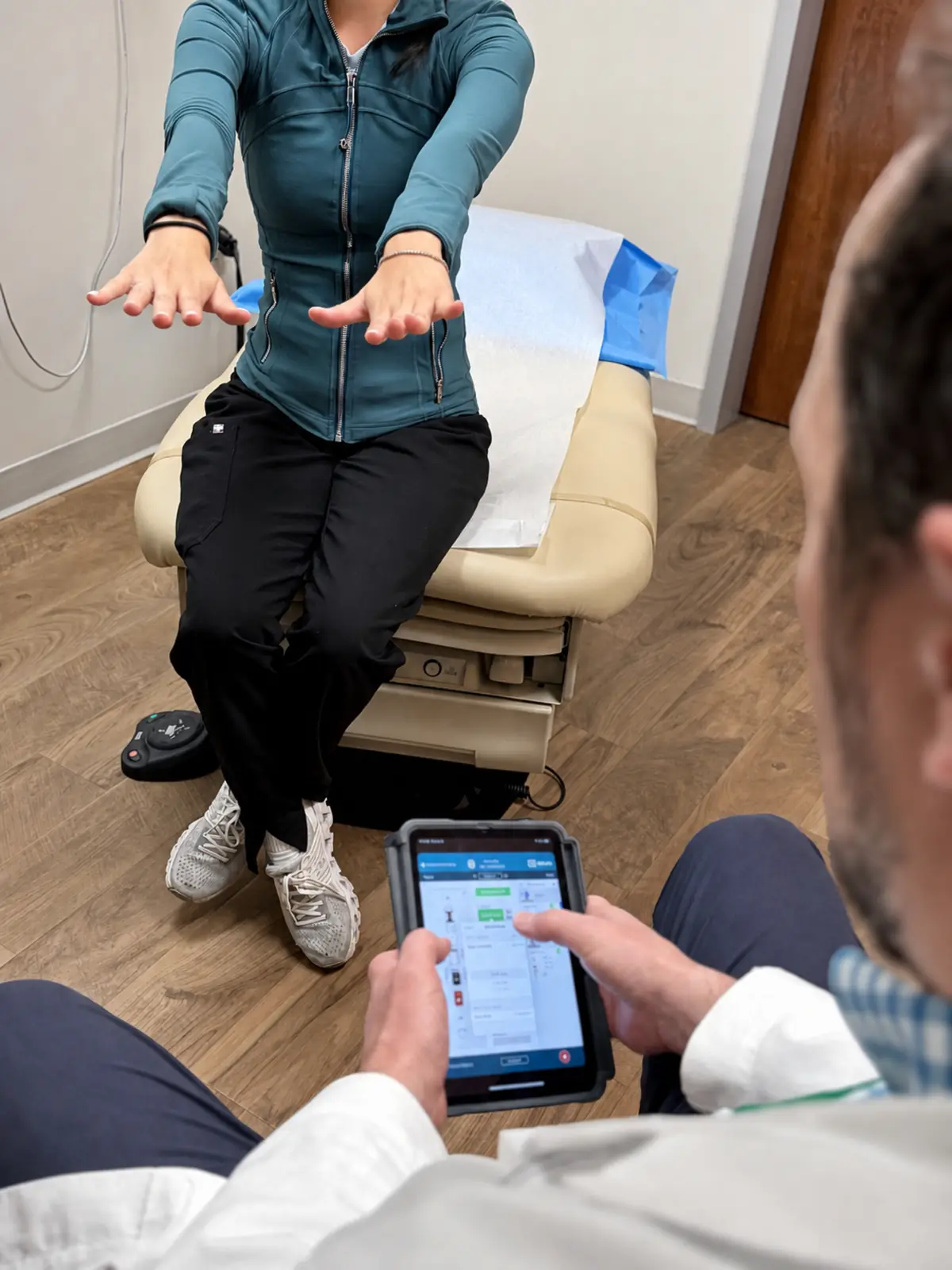
In many cases, yes—but often at lower doses. DBS can reduce the amount of medication needed and help smooth out fluctuations, but it does not usually eliminate medications entirely. The exact approach depends on your condition, symptoms, and response to stimulation.
DBS is generally safe, especially at experienced centers, but it is still brain surgery and carries risks. These include bleeding, infection, hardware-related issues, and temporary or rarely persistent changes in speech, balance, or mood. The overall risk is low, and careful evaluation and surgical planning are key to minimizing complications.
Both approaches are used. Awake DBS allows real-time testing during electrode placement, while asleep DBS uses advanced imaging for precise targeting under general anesthesia. At experienced centers, both techniques can achieve excellent results. The choice depends on patient preference and clinical factors.
The battery life depends on the type of system and how it is used. Some systems have rechargeable batteries that can last many years with regular charging, while others are non-rechargeable and require replacement after several years. Battery replacement is a relatively simple outpatient procedure.
Most of the system is not visible. The brain electrodes are internal, and the wires are tunneled under the skin. The battery is typically placed under the skin in the chest area, similar to a pacemaker. There may be small scars, but these are usually subtle and well-hidden.
Yes. Most everyday electronics are safe. You can travel, use household devices, and go through airport security, although you may need to carry a device identification card. Certain strong magnetic fields and medical procedures (such as some MRI scans) require special consideration, and your care team will guide you on these details.
If the DBS system is turned off, symptoms typically return to their baseline state over time. This reversibility is one of the advantages of DBS compared to lesion-based procedures. It allows adjustments or discontinuation if needed.
Most patients go home the day after surgery. Recovery is generally mild, with minimal pain and small incisions. Fatigue is common in the first few days, but most patients resume light activities relatively quickly. The more meaningful phase of recovery occurs during programming, when symptom improvement develops.
In properly selected patients, significant changes in personality are uncommon. However, because DBS interacts with brain circuits, subtle changes in mood, motivation, or thinking can occur. This is why neuropsychological evaluation is part of the preparation process and why follow-up care is important.
Yes. This is one of its greatest strengths. The system can be reprogrammed as your symptoms change, allowing ongoing optimization over many years. This flexibility is a major reason why DBS remains an effective long-term treatment.
The best way to determine this is through a comprehensive evaluation with a specialized team. DBS is not a one-size-fits-all treatment. It requires careful assessment of your diagnosis, symptoms, overall health, and goals. At experienced centers, this process ensures that DBS is recommended only when it is likely to provide meaningful benefit.
Focused ultrasound uses highly targeted sound waves that pass through the skull and converge at a precise point in the brain. At that focal point, the energy generates heat, creating a very small, controlled lesion in the area responsible for abnormal movement. The procedure is guided in real time using MRI, allowing the team to confirm accuracy and monitor temperature throughout treatment.
Focused ultrasound is most effective for tremor. It is commonly used for essential tremor and tremor-dominant Parkinson’s disease. In selected cases, other symptoms may be targeted depending on the specific brain region treated. However, its primary strength remains tremor control, particularly when medications have not been effective.
No. Focused ultrasound does not cure the underlying condition or stop disease progression. It is designed to improve specific symptoms—most often tremor—on the treated side. The goal is meaningful functional improvement, not complete elimination of disease.
In many cases, yes. One of the unique aspects of focused ultrasound is that improvement can often be seen during the procedure itself. Patients may notice reduced tremor in real time. Some variability can occur in the days that follow due to temporary swelling, but overall, improvement is typically evident early.
Focused ultrasound is most commonly performed on one side of the brain to treat symptoms on the opposite side of the body (for example, the dominant hand). Treating both sides at the same time can increase the risk of side effects, particularly related to speech and balance. In carefully selected patients, staged treatment of the second side may be considered later, but this is done cautiously.
Patients are awake during the procedure and positioned in an MRI scanner. A head frame is used to keep the head still, and the scalp is numbed beforehand. During treatment, most patients feel little to no pain. Some may experience warmth, pressure, or mild discomfort during higher-energy sonications. The team communicates continuously and can pause at any time if needed.
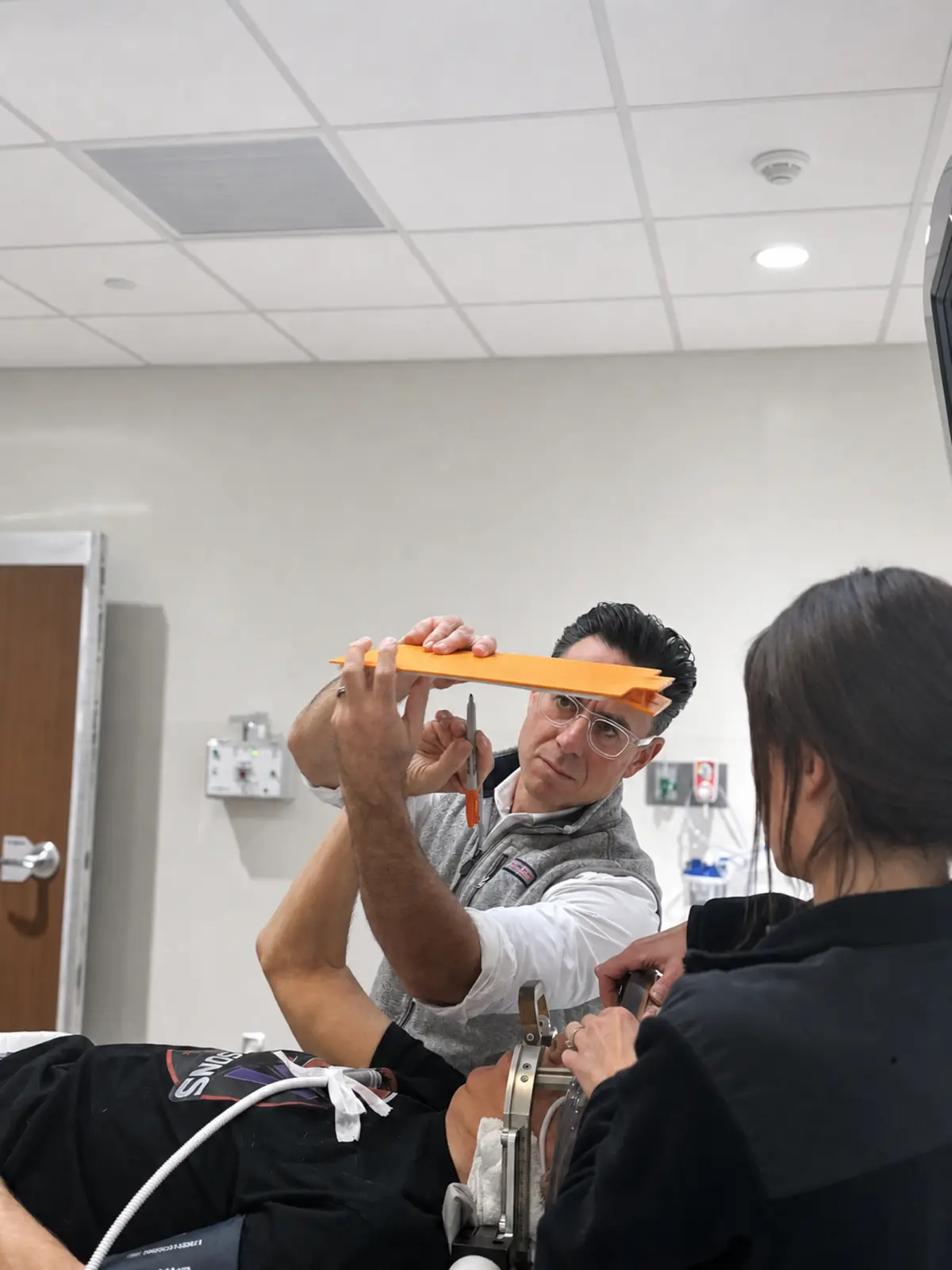
Yes. The scalp must be shaved to allow proper transmission of the ultrasound waves and ensure good contact with the treatment helmet. While this can feel like a significant step, hair regrows over time, and many patients find it easier when they prepare for this in advance.
Focused ultrasound is generally safe, but temporary side effects can occur. The most common include imbalance or unsteadiness, mild headache, numbness or tingling, and fatigue. Less commonly, speech or coordination changes may occur. Most side effects improve over time, but some may persist in a small percentage of patients. Careful patient selection is key to minimizing risk.
Most patients go home the same day. There is no incision and no hospital stay in most cases. Recovery is usually quick, though some patients experience temporary balance issues or fatigue in the days to weeks following treatment. Caution with walking and daily activities is important early on.
Yes, but they are typically much simpler than with DBS. Because there is no implanted device and no programming required, most follow-up is focused on monitoring recovery and symptom improvement. A major advantage is that many of these visits can be done through telemedicine, allowing you to connect with your care team from home.
In most cases, no. Since there is no device to adjust, ongoing care can often be managed remotely. This makes focused ultrasound especially convenient for patients who live far away or out of state, as it minimizes the need for repeated travel while still maintaining close follow-up.
Possibly. Some patients are able to reduce medications after treatment, particularly if tremor improves significantly. However, this is individualized, and medications may still be needed depending on the underlying condition and other symptoms.
Unlike DBS, focused ultrasound is not adjustable after it is completed. The effect is permanent at the treated site. While additional treatment (such as treating the opposite side) may be considered later in selected patients, the original treatment itself is not modified.
Because focused ultrasound does not stop disease progression, symptoms may evolve. If new symptoms develop or existing ones worsen, additional treatment options—including medications, DBS, or staged focused ultrasound—may be discussed based on your situation.
The best candidates are patients with significant, medication-refractory tremor that interferes with daily life. Suitability also depends on imaging findings, including skull characteristics, as well as overall neurological and medical status. A detailed evaluation is required to determine candidacy.
This is a common and important question. The choice depends on multiple factors, including your diagnosis, symptom profile, goals, and preferences. Focused ultrasound offers a noninvasive, single-session treatment with no hardware, while DBS provides adjustability and the ability to treat both sides more readily. A specialized team will help guide this decision based on what is most appropriate for you.