
Why Our Team
Advanced neuromodulation care is not simply about having access to technology. It is about having access to a team that knows how to use that technology thoughtfully, safely, collaboratively, and consistently over time. At RUSH, one of the defining strengths of the program is not only the expertise of the individual specialists, but the way the entire team functions together as a coordinated unit.
A team that has worked together for years
Many of the physicians, nurses, advanced practice providers, coordinators, and staff within the program have worked together for years. That continuity matters. Over time, teams develop a shared language, shared expectations, and an ability to anticipate problems and solutions before they arise. In practical terms, this means the "left hand and right hand" of the program truly communicate with one another. The neurologists know the surgeons closely. The surgeons know the programming style of the neurologists. The nursing staff understands the nuances of DBS and focused ultrasound workflows. The coordinators understand the concerns patients commonly have before surgery, after treatment, and during long-term follow-up.
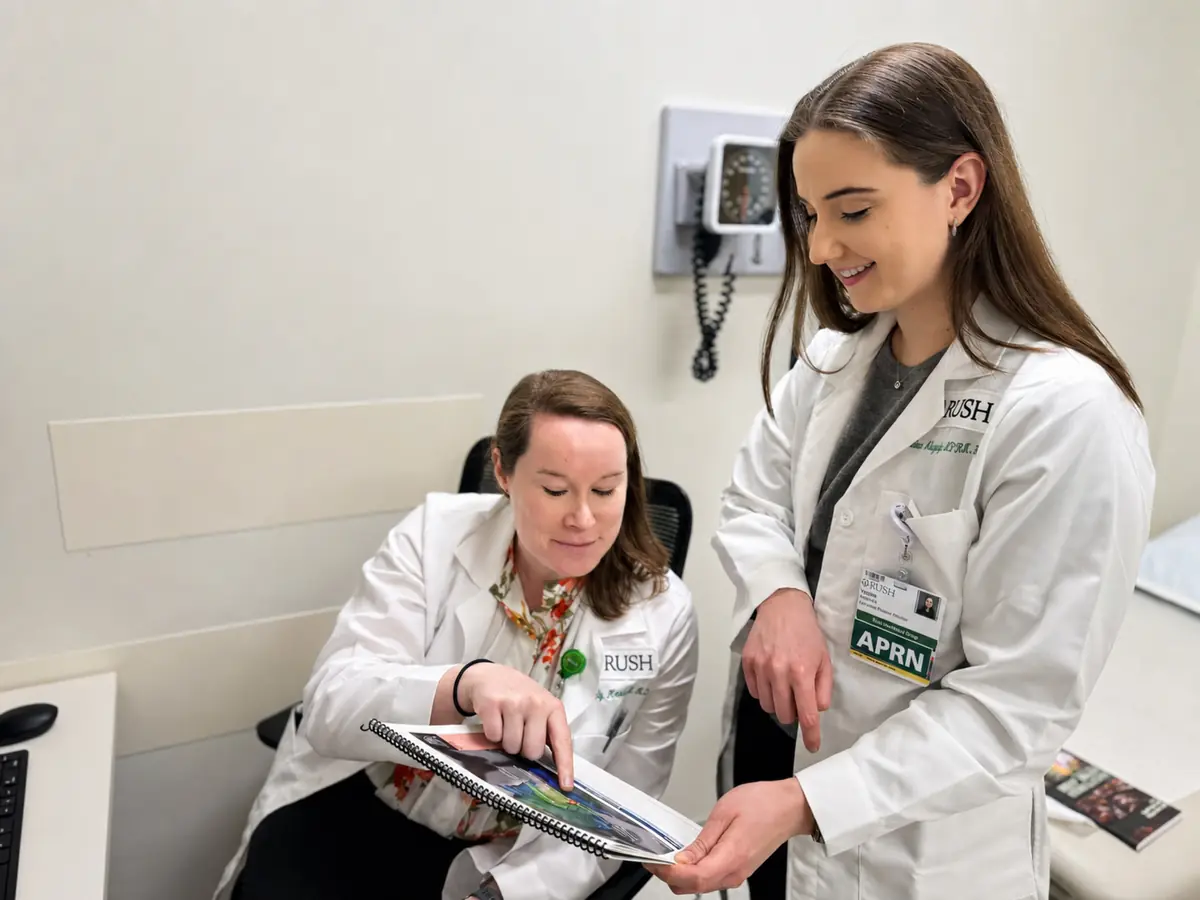
Patients often notice this difference immediately. Instead of feeling like they are moving through disconnected departments or navigating a large anonymous medical system, they experience a team that already knows one another well and works together routinely. Information flows more naturally. Questions are answered more efficiently. Decisions become more coordinated. The result is a treatment process that feels significantly more organized and less fragmented.
Accessibility
Another important difference is accessibility. Patients and families dealing with movement disorders often have questions that arise outside of clinic visits — sometimes simple questions, sometimes urgent concerns, and sometimes just uncertainty about what is normal during recovery or treatment adjustment. One of the goals of the RUSH program is to ensure that patients can reach real people who understand the process and can help guide them appropriately. Patients are not simply routed through generalized call systems disconnected from the neuromodulation team itself. Instead, they have access to dedicated coordinators, nurses, advanced practice providers, neurologists, and surgeons who are deeply familiar with the therapies being provided.
Why continuity matters in neuromodulation
This continuity becomes especially important in fields such as Deep Brain Stimulation and focused ultrasound because these treatments are not isolated one-time events. They are part of a long-term therapeutic relationship. DBS requires ongoing programming and neurologic management over many years. Focused ultrasound patients often continue follow-up and longitudinal care with the same specialists who guided them through evaluation and treatment initially. The relationships built before treatment frequently continue long afterward.
Experience and volume
The experience level of the team is also a major differentiator. High-volume neuromodulation care exposes clinicians to an enormous range of patient presentations, disease phenotypes, surgical anatomy variations, programming challenges, and treatment responses. Over time, this creates a depth of practical judgment that cannot be replicated through textbooks or isolated procedural experience alone. The RUSH team collectively brings decades of experience and thousands of treated patients to every interdisciplinary discussion and treatment decision.
Expertise beyond surgery
Importantly, expertise within the program extends beyond surgery itself. The neurologists are internationally recognized leaders in movement disorders and DBS programming. The neurosurgeons specialize specifically in functional neurosurgery and neuromodulation. Neuropsychologists, psychiatrists, nurses, advanced practice providers, and coordinators all contribute highly specialized knowledge focused on movement disorders care. The result is a level of subspecialization throughout the entire care pathway — not just during the procedure itself.
A personal culture
At the same time, despite the academic sophistication and technical complexity of the field, the culture of the program remains highly personal. Patients are not viewed simply as "cases" or procedural volumes. Many members of the team have dedicated the majority of their careers specifically to this patient population because of the unique long-term relationships that develop and the meaningful improvements these therapies can bring to quality of life.
You are not navigating this alone
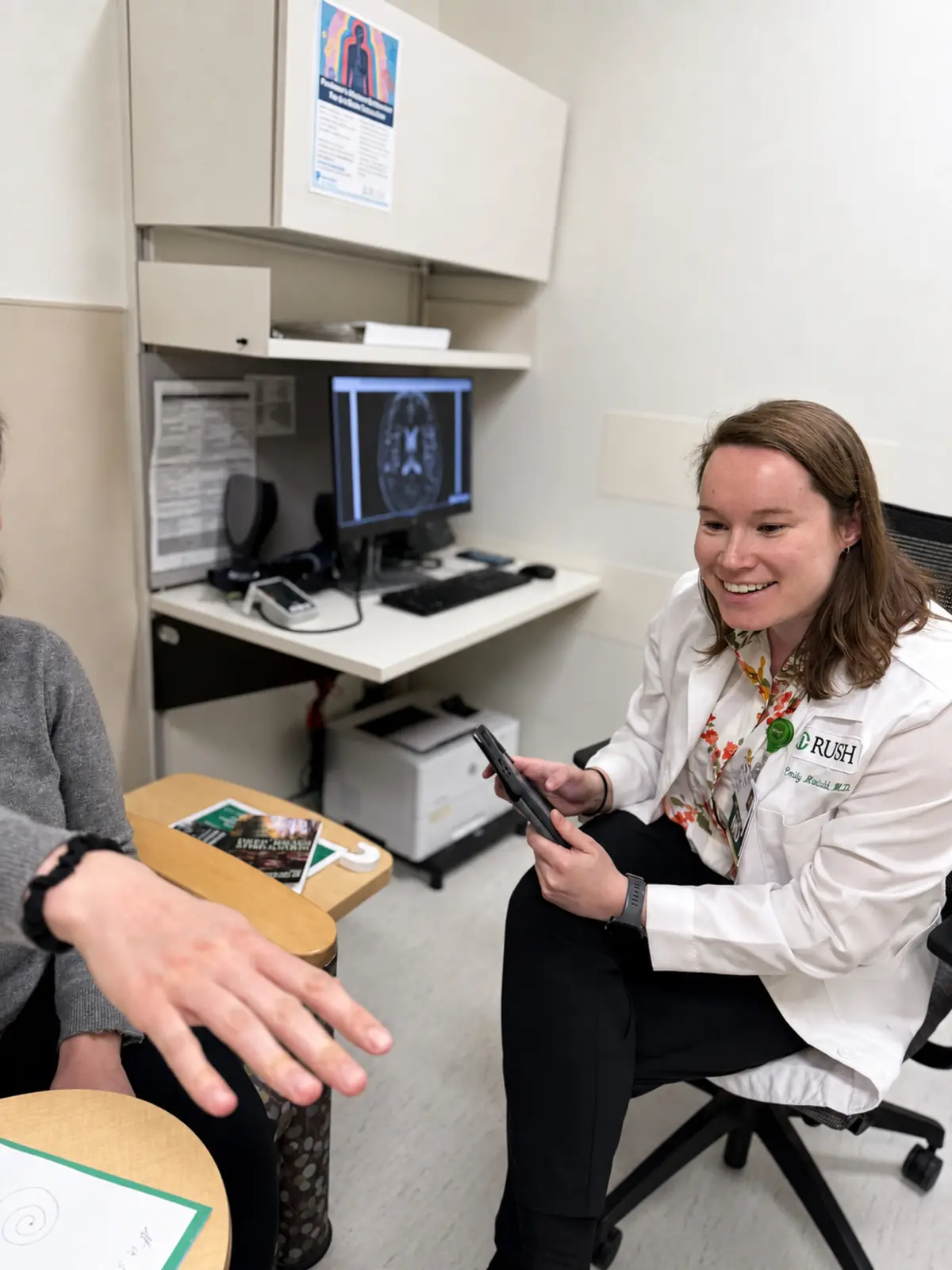
Perhaps most importantly, the program is structured around the idea that patients should never feel like they are navigating the process alone. From the first phone call through evaluation, treatment, recovery, programming, and long-term follow-up, there is a coordinated team helping guide each step. That combination of experience, accessibility, continuity, and genuine collaboration is ultimately what defines the RUSH neuromodulation program and what makes the team itself one of its greatest strengths.