
Dystonia is a neurological movement disorder characterized by involuntary muscle contractions that can cause abnormal postures, twisting movements, or repetitive motions. These movements may be intermittent or sustained, and they can affect a single body region—such as the neck, face, or hand—or involve multiple areas. For some individuals, dystonia remains relatively mild and manageable, while for others it can become progressively more disruptive, affecting comfort, function, and independence.
The experience of dystonia varies widely. Some patients notice subtle symptoms at first, such as a change in handwriting, a pulling sensation in the neck, or difficulty with specific tasks. Over time, these symptoms may become more pronounced, leading to visible postures or movements that are difficult to control. In addition to the physical effects, dystonia can be associated with pain, fatigue, and a sense of unpredictability that makes daily activities more challenging.

Beyond the physical symptoms, dystonia can have a meaningful emotional and social impact. The visible nature of the condition may lead to self-consciousness or frustration, particularly in social or professional settings. Patients often find themselves adapting their routines to avoid discomfort or attention, which over time can limit participation in activities they once enjoyed. Recognizing these broader effects is an important part of providing comprehensive care.
Many patients benefit from medications or targeted treatments such as botulinum toxin injections, which can help relax overactive muscles. These therapies can be highly effective, particularly for focal forms of dystonia. However, in some cases, symptoms remain persistent or continue to progress despite these treatments. When this occurs, it may be appropriate to consider advanced therapies.
At RUSH University Medical Center, deep brain stimulation (DBS) is a well-established treatment option for carefully selected patients with dystonia. DBS involves the placement of electrodes in specific brain regions that regulate movement, allowing for controlled modulation of abnormal signals. Unlike some other conditions, improvement with DBS in dystonia may occur gradually over weeks to months, rather than immediately. With time, many patients experience meaningful reductions in abnormal movements and improved function, particularly when therapy is carefully tailored and followed closely.
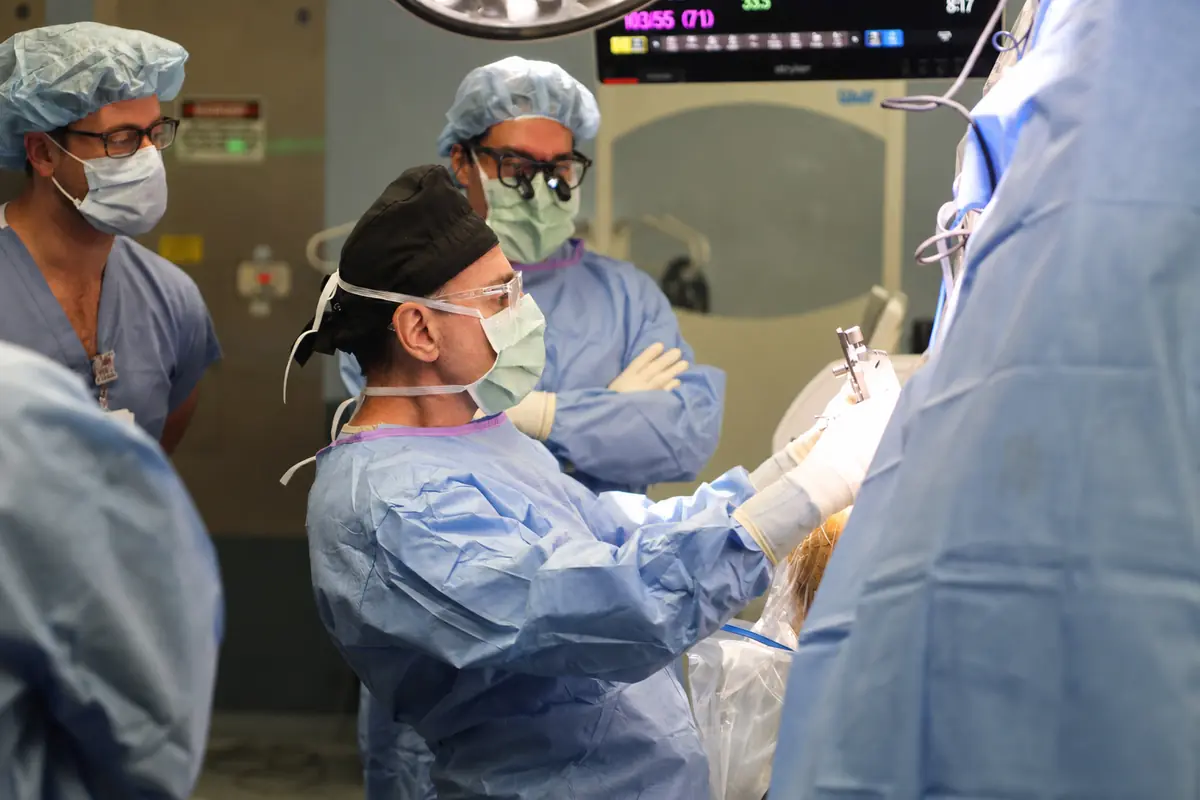
Focused ultrasound is not currently a standard treatment for dystonia, and for this reason, DBS remains the primary advanced therapy offered for patients whose symptoms are not adequately controlled with medical management.
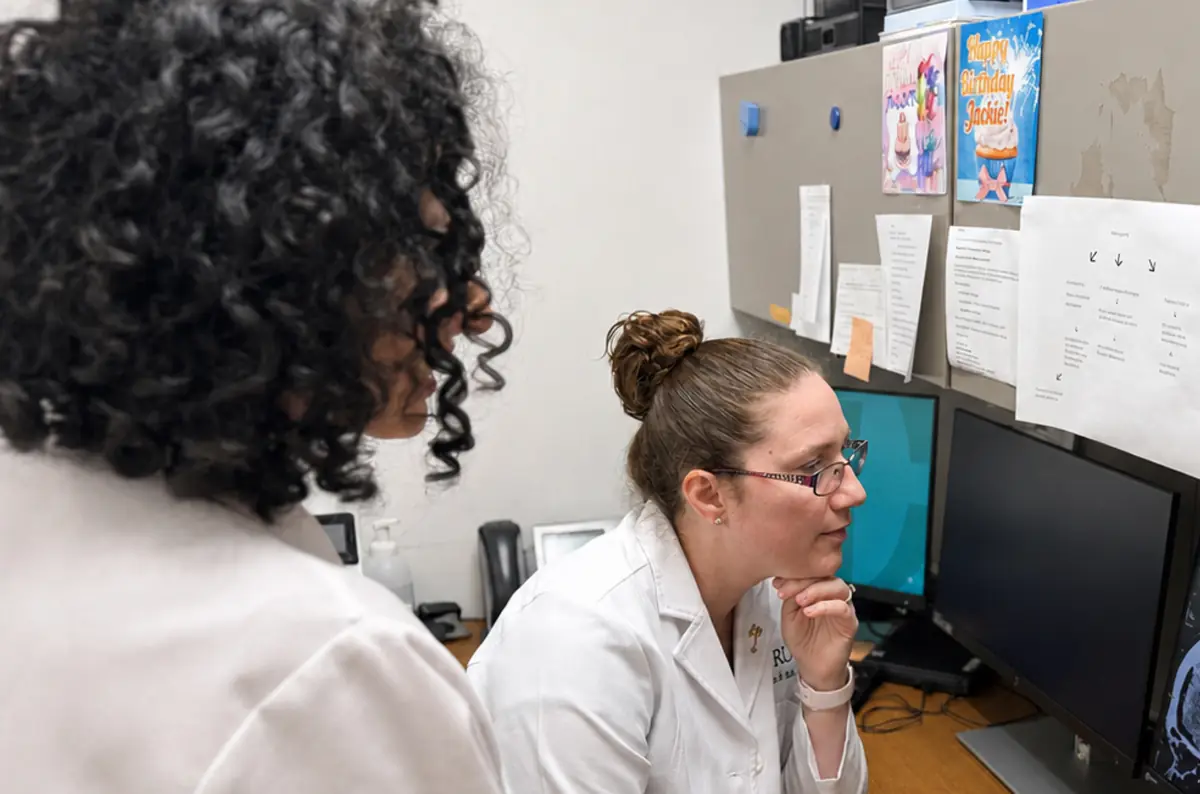
The dystonia program at RUSH is supported by a multidisciplinary team with experience in both medical and surgical management of complex movement disorders. Each patient undergoes a thoughtful evaluation that considers not only the type and severity of dystonia, but also individual goals, expectations, and overall health. This approach allows us to develop a treatment plan that is both precise and personalized.
Above all, our focus is on helping patients regain control—of movement, of daily function, and of their quality of life. While dystonia can be challenging, there are effective treatments available, and with the right approach, many patients are able to experience meaningful improvement.