
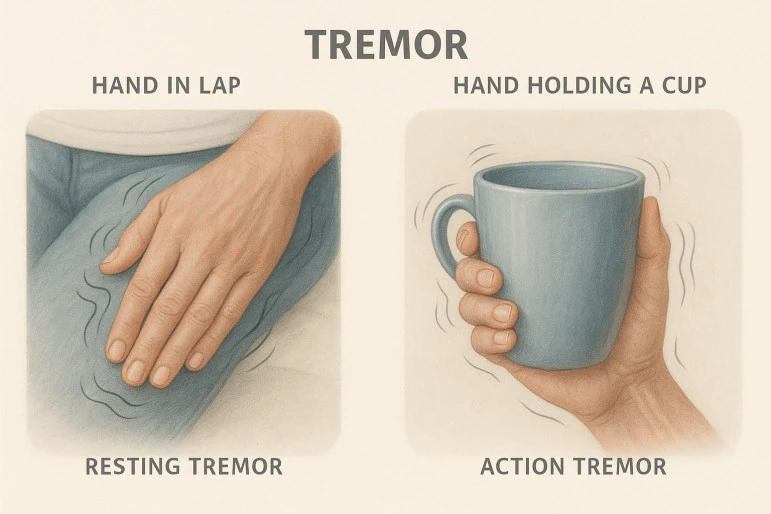
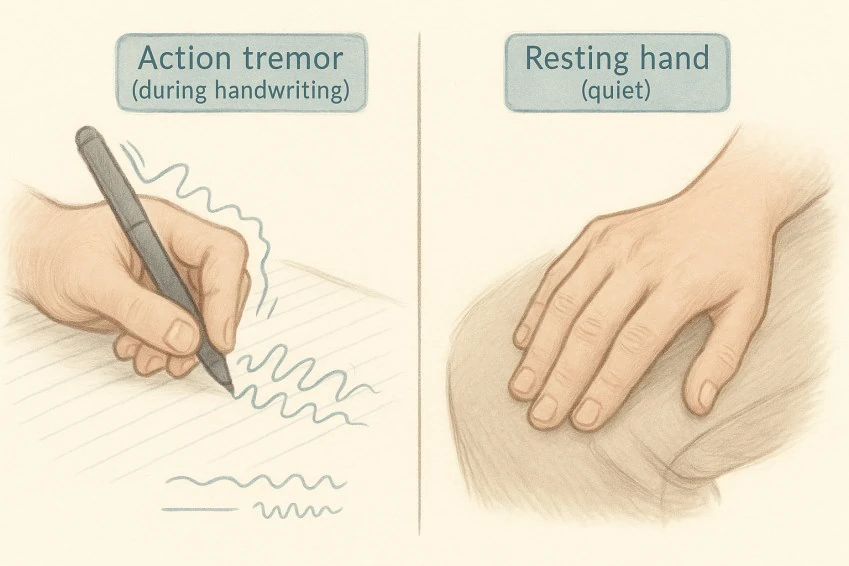
Essential tremor is one of the most common movement disorders, characterized by an involuntary shaking that most often affects the hands, but can also involve the head, voice, or other parts of the body. For many individuals, the tremor remains mild, allowing them to live full, active, and otherwise healthy lives. However, for others, the tremor gradually worsens over time. As patients adapt to the shaking, they often begin to recognize how much it is quietly limiting their independence—affecting everyday tasks such as writing, eating, or using a phone, and narrowing the range of activities they feel comfortable doing. Beyond the physical challenges, tremor can also be socially embarrassing, leading some patients to withdraw from interactions and experience increasing isolation.
The emotional and social impact
Beyond the physical symptoms, essential tremor can have a profound emotional and social impact. Many patients describe feelings of embarrassment or self-consciousness, especially in public settings. Over time, this can lead to avoidance of social situations, changes in daily routines, and a sense of isolation. It is important to recognize that these challenges are a natural response to the condition and that effective treatment can help restore both function and confidence.
When medication is not enough
For many patients, medications provide meaningful relief, particularly early in the course of the disease. However, not all patients respond adequately to medication, and some experience side effects that limit their use. When tremor begins to interfere with daily activities despite medical therapy, it may be appropriate to consider advanced treatment options. This decision is highly individualized and is best made in consultation with a team experienced in the full range of available therapies.
Treatment options at RUSH
At RUSH University Medical Center, we offer both deep brain stimulation (DBS) and MRI-guided focused ultrasound (FUS) as treatment options for essential tremor, and we work closely with each patient to determine which approach is most appropriate.
Focused ultrasound
Focused ultrasound has emerged as a highly effective, non-invasive treatment for many patients with essential tremor. Using MRI guidance, focused ultrasound delivers precisely targeted energy to a small area of the brain responsible for tremor, creating a controlled and highly localized treatment effect. The procedure is performed without incisions or implanted hardware, and patients remain awake so that improvement can be assessed in real time. Many individuals experience immediate and meaningful reduction in tremor during the procedure itself, which can be both reassuring and transformative.
Deep brain stimulation
Deep brain stimulation is another well-established and highly effective option, particularly for patients who require treatment on both sides of the body or who desire a therapy that can be adjusted over time. DBS involves the placement of electrodes in specific brain regions that control movement, allowing for ongoing modulation of abnormal signals. Unlike focused ultrasound, DBS is adjustable and can be tailored over time to meet changing needs, making it a strong option for patients with more complex or evolving symptoms.
Choosing between them
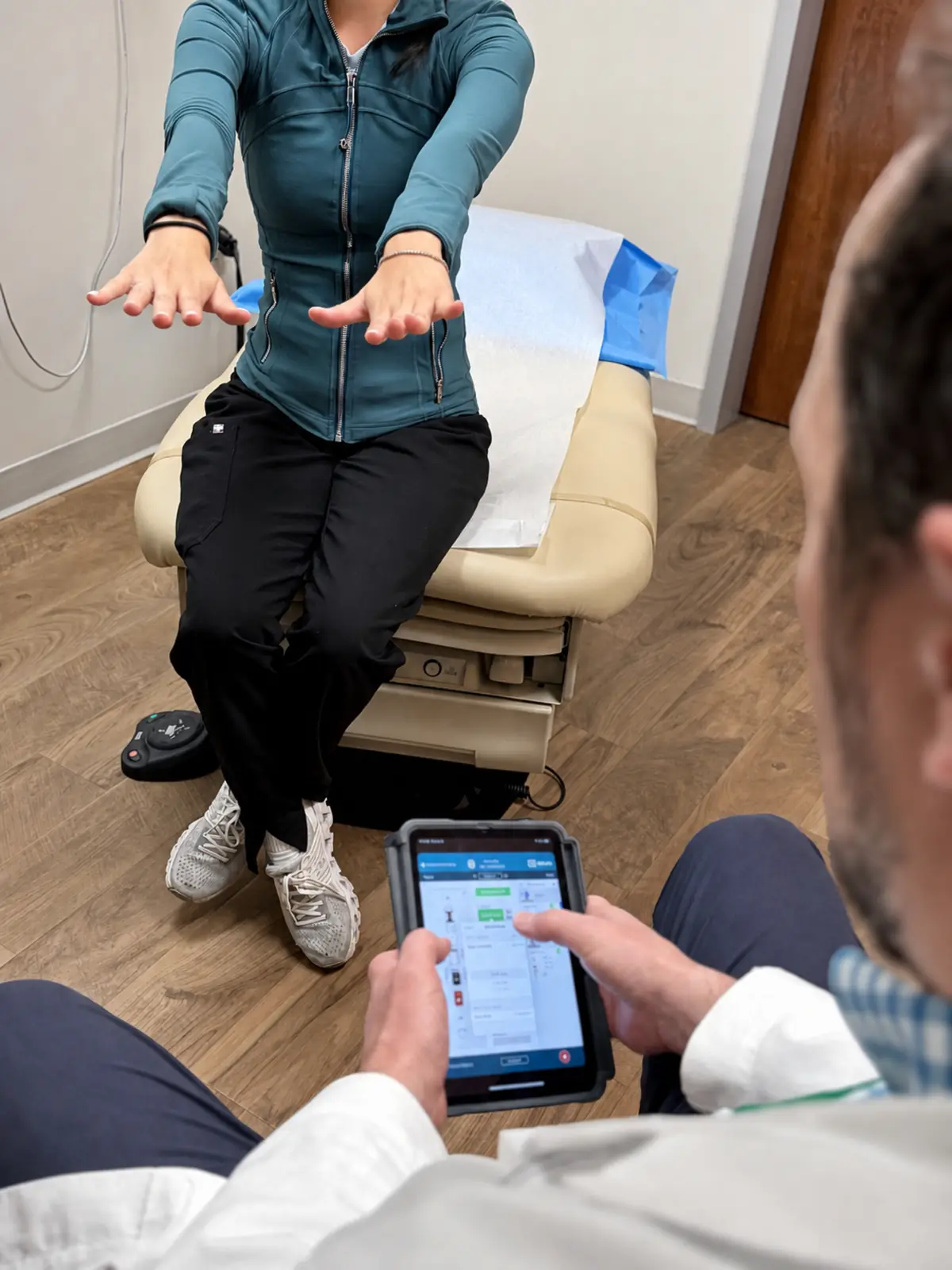
Both treatments can provide significant improvement in tremor and overall quality of life when patients are carefully selected. Focused ultrasound offers the advantage of being incisionless and immediate in its effects, while DBS provides flexibility and the ability to treat symptoms on both sides of the body. Understanding the differences between these approaches is an important part of the decision-making process, and our role is to guide patients through that process with clarity and honesty.
Why RUSH
The essential tremor program at RUSH is among the most experienced in the country, with a high-volume practice in both DBS and focused ultrasound. Our team includes specialists in neurology, neurosurgery, and advanced patient care who work together to ensure that each patient receives a thoughtful and individualized evaluation. We are also actively involved in research and clinical trials, contributing to continued advances in the treatment of tremor.
Above all, our approach is centered on restoring function and confidence. Essential tremor may begin as a subtle inconvenience, but for many patients it becomes a barrier to independence and quality of life. With the right treatment, it is often possible to regain control of daily activities and return to the things that matter most.
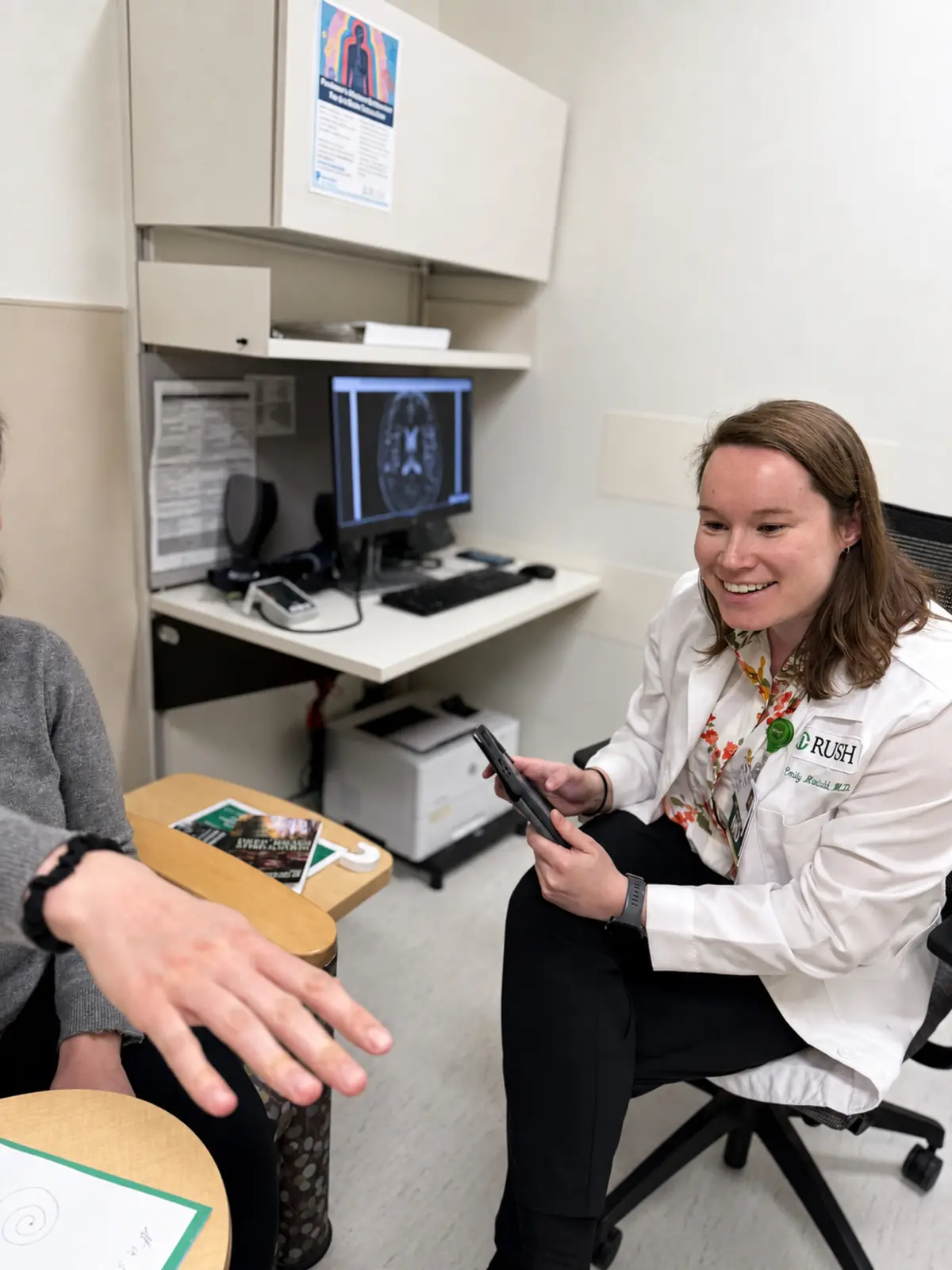
For those considering next steps, we offer comprehensive evaluations, including the option for telemedicine consultations, to help determine the most appropriate treatment path in a way that is informed, individualized, and accessible.