
Preparing for MRI-guided Focused Ultrasound is different from preparing for traditional surgery, but it is still an important process both practically and mentally. One of the advantages of focused ultrasound is that there are no incisions, no implanted hardware, and usually no overnight hospital stay. Even so, patients are often understandably anxious leading up to treatment. Knowing what to expect ahead of time can make the experience feel much more manageable and predictable.
Before treatment is scheduled
Preparation begins well before the treatment day itself. By the time focused ultrasound is scheduled, patients have already undergone a structured evaluation process that includes confirming the diagnosis, reviewing prior treatments, obtaining imaging, assessing skull characteristics, and discussing realistic expectations. This phase is critically important because focused ultrasound is not adjustable after treatment in the way DBS is. Careful patient selection and planning therefore become central to achieving the best possible outcome.
In the weeks before
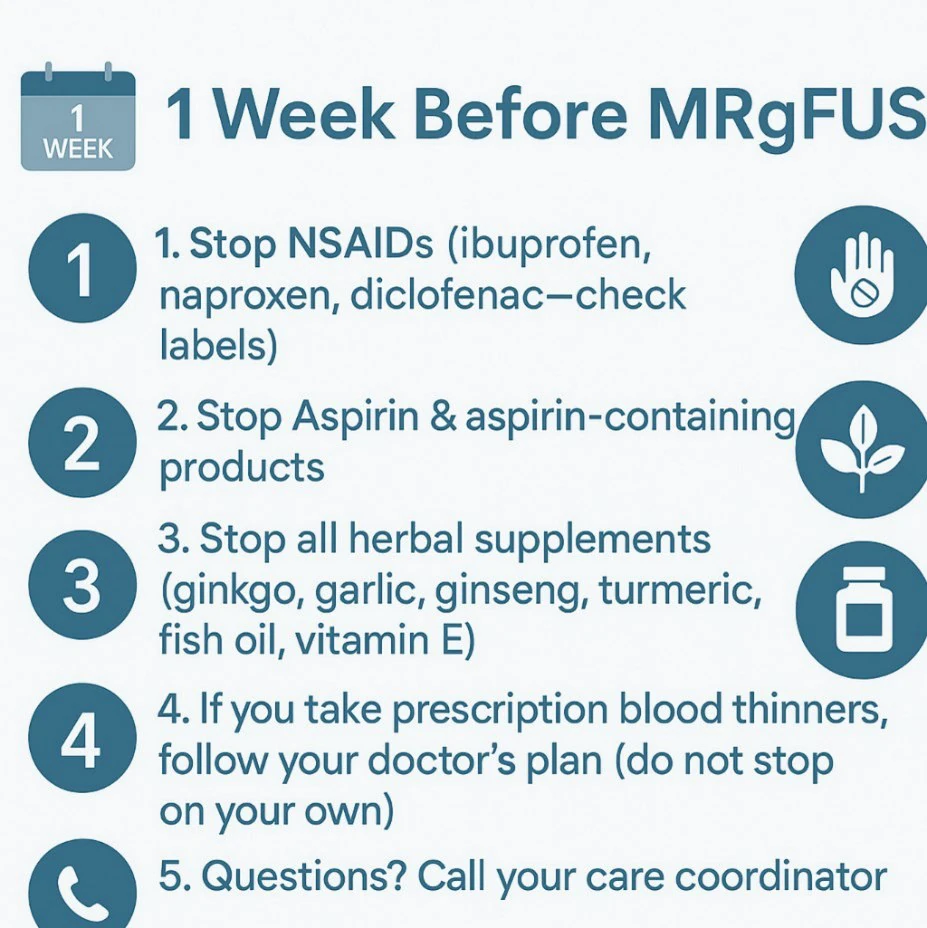
In the days to weeks before treatment, the focus shifts toward logistics and safety. Patients receive instructions regarding medications, eating and drinking before the procedure, and what to expect during the day. Certain blood thinners or supplements may need to be temporarily held depending on the patient’s medical history. These instructions are individualized and reviewed carefully beforehand.
Shaving the scalp
One unique aspect of focused ultrasound preparation is the need to completely shave the scalp prior to treatment. This is necessary because the ultrasound helmet must make direct contact with the scalp in order for the sound waves to pass efficiently and safely through the skull. For some patients, particularly women, this can initially feel like an emotional hurdle. In practice, many patients find that once they understand the reason and begin focusing on the potential benefit of treatment, the shaving becomes much less significant than they originally imagined.
Preparing mentally
Because the procedure takes place inside an MRI scanner and patients remain awake throughout treatment, it is also important to prepare mentally for the experience itself. Patients spend several hours lying on the MRI table while the treatment is performed gradually and carefully. The process is highly structured and controlled, but the MRI environment can feel unfamiliar or intimidating if you have never experienced it before. Patients who are claustrophobic or anxious about MRI environments should discuss this beforehand with the team, as there are often ways to make the experience more comfortable.
Planning the practical details
One of the most helpful things patients can do before treatment is reduce uncertainty around logistics. Similar to DBS preparation, many patients benefit from planning transportation ahead of time, identifying where they are going, and understanding how the day will unfold. Focused ultrasound is generally an outpatient procedure, so arranging for someone to accompany you and drive you home afterward is important.
What the team is doing behind the scenes
Behind the scenes, preparation by the treatment team is extensive. Prior imaging is reviewed in detail, the target is planned carefully, skull characteristics are analyzed, and the treatment software is individualized to the patient’s anatomy. The focused ultrasound system itself undergoes multiple checks before the procedure begins. By the time the patient arrives, the team has already spent considerable time preparing specifically for that individual treatment.
The night before
The night before treatment is usually straightforward. Patients are generally asked not to eat or drink after a certain time depending on the planned anesthesia and sedation instructions. Most patients benefit from keeping the evening simple, resting as much as possible, and avoiding last-minute stressors or extensive internet searching that may increase anxiety unnecessarily.
The morning of treatment
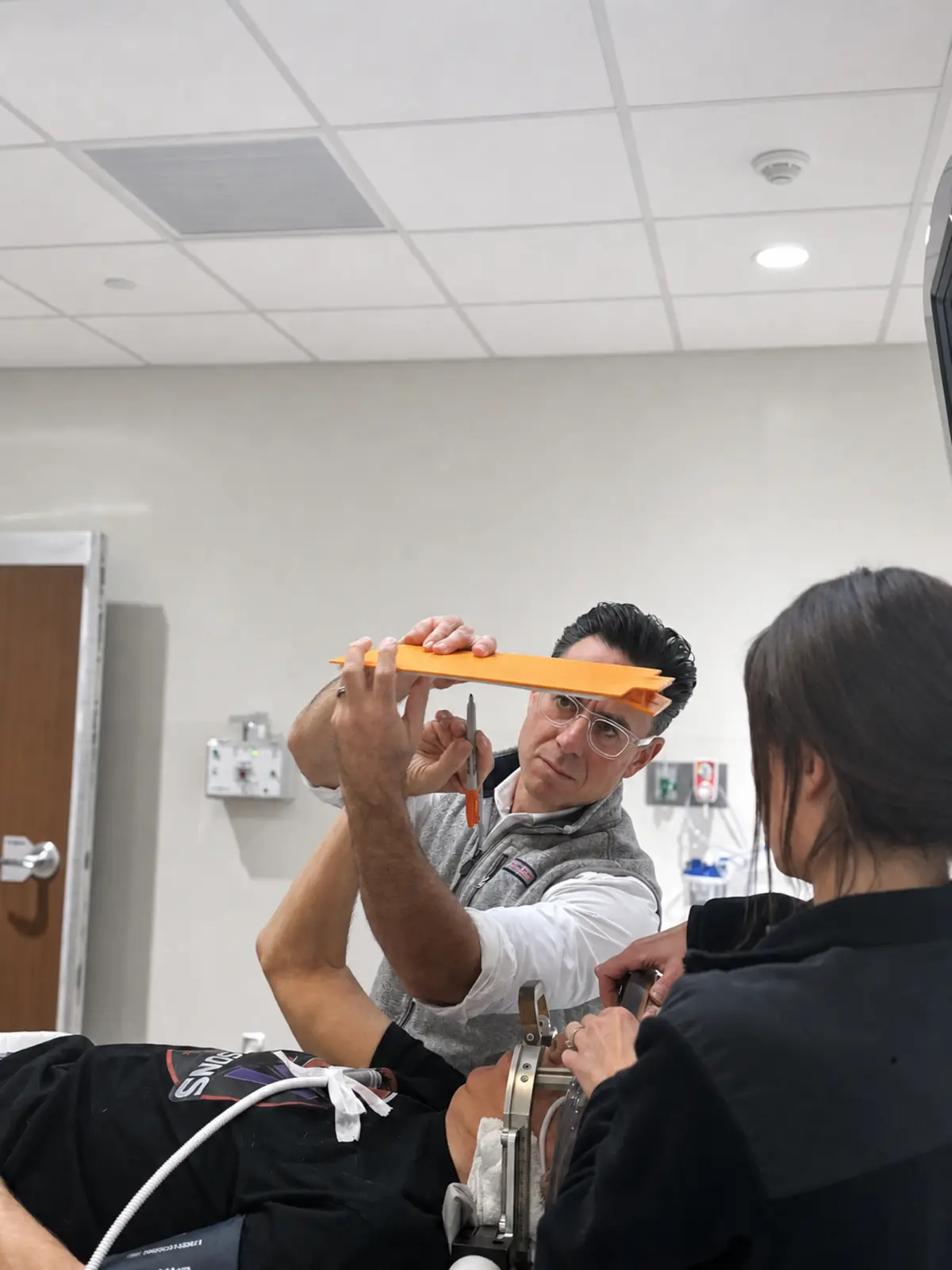
On the morning of treatment, patients arrive at the hospital and are guided through a stepwise preparation process. After check-in, the scalp is shaved and cleaned, an IV is placed, and the stereotactic head frame is applied after numbing medication is used on the scalp. Although the idea of the frame sounds intimidating, most patients tolerate it much better than expected. The frame is essential because it allows treatment to be delivered with submillimeter precision.
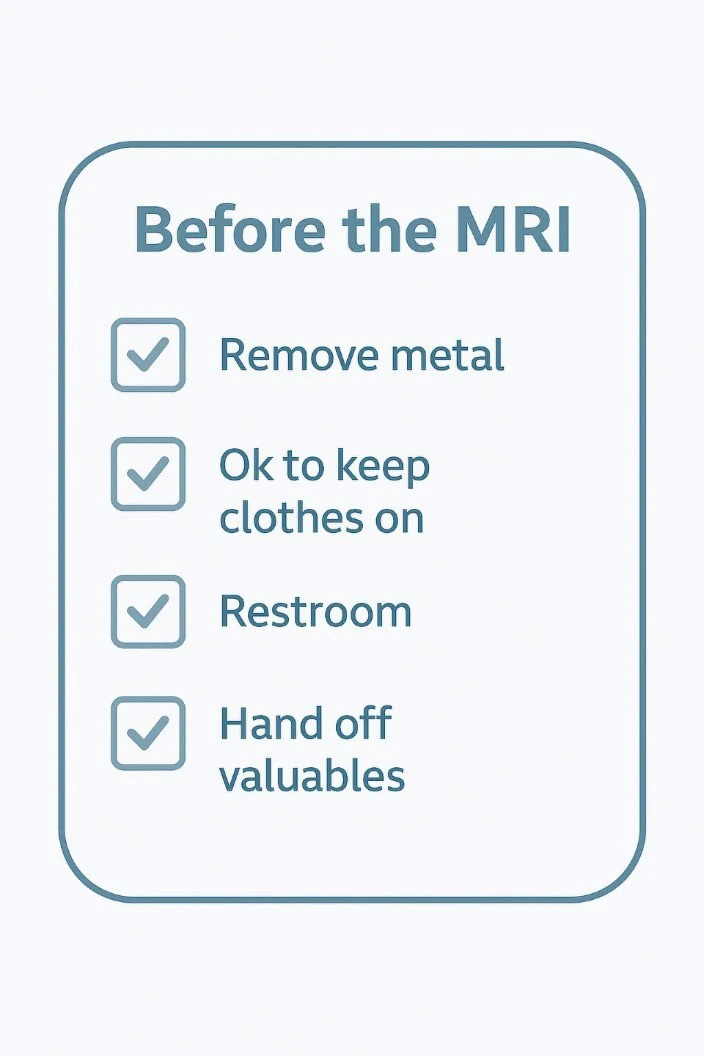
Once positioned in the MRI scanner, the treatment begins gradually. Low-energy sonications are first performed to confirm targeting and monitor for side effects before therapeutic temperatures are reached. Throughout the process, the team communicates continuously with the patient, evaluates tremor improvement in real time, and adjusts treatment carefully and deliberately.
What most patients say afterward
For many patients, the anticipation beforehand is significantly more difficult than the actual experience itself. The treatment day is highly organized, methodical, and guided closely by a team that performs focused ultrasound routinely. Patients are not expected to navigate the experience on their own. The role of the patient is simply to arrive informed and prepared. The responsibility for the technical planning, safety, targeting, and execution rests entirely with the treatment team.
Perhaps the most important part of preparation is understanding that focused ultrasound is not just about technology—it is about selecting the right treatment for the right patient and delivering it thoughtfully. By the time treatment day arrives, the planning process has already been underway for weeks, with the entire team focused on achieving the safest and most effective outcome possible.