
Neurology
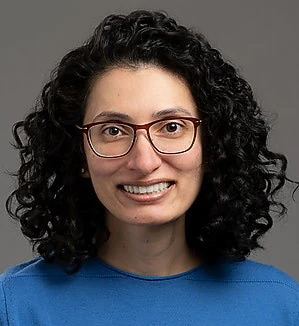
Neepa Patel, MD
Associate Professor · Director, Interventional Movement Disorders Program · Movement Disorders Neurology
Dr. Neepa Patel is the Director of the Interventional Movement Disorders Program within the Department of Neurological Sciences at Rush University Medical Center. She is a board-certified neurologist specializing in movement disorders with extensive expertise in advanced neuromodulation therapies including Deep Brain Stimulation (DBS) and MRI-guided Focused Ultrasound (FUS).
Dr. Patel completed her neurology residency training at Boston University Medical Center followed by a two-year fellowship in Movement Disorders at Baylor College of Medicine in Houston, Texas, one of the nation’s leading centers for movement disorders care and research. Her clinical practice focuses on the comprehensive management of Parkinson’s disease, dystonia, tremor disorders, and other complex movement disorders, with particular expertise in advanced interventional therapies and DBS programming.
She plays a central leadership role within the Rush Interventional Movement Disorders Program, helping guide patients through evaluation, treatment selection, device programming, and long-term neuromodulation care. Her interests include the treatment of dystonia, improving the quality and delivery of care for patients undergoing Deep Brain Stimulation, and advancing education for healthcare providers to improve the integration and utilization of emerging therapies for movement disorders.
Dr. Patel is deeply involved in the multidisciplinary evaluation and longitudinal care of patients considering or undergoing DBS and focused ultrasound procedures. She is widely recognized for her expertise in DBS programming and is a co-author of one of the first of its kind leading educational books for clinicians on DBS programming and management, reflecting her commitment not only to patient care but also to advancing education within the field.
In addition to her clinical work, Dr. Patel has authored numerous peer-reviewed publications and book chapters related to movement disorders and neuromodulation. As part of the larger RUSH movement disorders program, she contributes to a nationally and internationally recognized team involved in clinical innovation, education, and research, including multiple ongoing clinical trials focused on improving care for patients with neurologic disease.
Dr. Patel strongly believes in providing individualized, comprehensive, and compassionate care to both patients and their families throughout what can often be a complex and emotionally challenging journey. Patients frequently value her thoughtful approach, attention to detail, and commitment to long-term partnership in care.
Outside of medicine, Dr. Patel enjoys traveling and spending time with close friends and family.
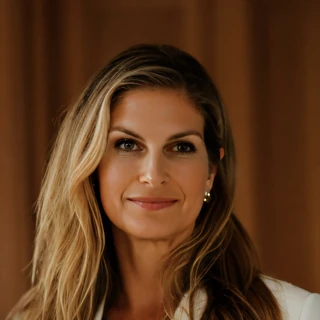
Okeanis Vaou, MD, FAAN
Associate Professor — Movement Disorders Neurology and Sleep Medicine
Okeanis Vaou, MD, FAAN, is a nationally recognized Movement Disorders neurologist and board-certified Sleep Medicine specialist with nearly two decades of experience in Deep Brain Stimulation (DBS). She has developed and led DBS and Focused Ultrasound programs across the country and has particular expertise in complex DBS programming, brain sensing, and adaptive DBS (aDBS). A national educator in DBS, Dr. Vaou is especially interested in using advances in brain physiology and sleep to better understand each patient and personalize their treatment.
Outside of medicine, Dr. Vaou enjoys spending time with her family and is excited to make Chicago home while exploring all that the city has to offer.
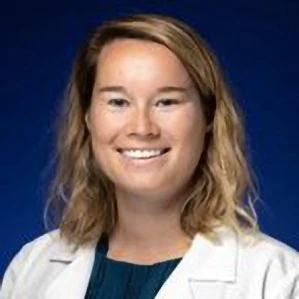
Carly Marshall, MD
Assistant Professor — Movement Disorders Neurology
Dr. Carly Marshall is a board-certified neurologist and movement disorders specialist with expertise in Parkinson’s disease, Deep Brain Stimulation (DBS), focused ultrasound (FUS), and advanced neuromodulation therapies. Born in Canada and raised in the Midwest, she completed her undergraduate studies at Purdue University before earning her medical degree from IndianaUniversity School of Medicine. She then completed her neurology residency at the University of Michigan—what she jokingly refers to as the third and final stop on her “Big Ten tour”—before pursuing a two-year fellowship in Movement Disorders at the University of Pennsylvania in Philadelphia.
Dr. Marshall is an Assistant Professor of Neurological Sciences at Rush University Medical Center and a member of the Rush Interventional Movement Disorders Program, where she evaluates patients for advanced therapies including Deep Brain Stimulation and MRI-guided Focused Ultrasound. She also specializes in DBS programming and longitudinal management for patients with Parkinson’s disease, essential tremor, dystonia, and other movement disorders.
One of the aspects of her work she values most is the opportunity to offer patients hope and meaningful improvement when standard medication regimens are no longer adequatelycontrolling symptoms or are becoming difficult to tolerate. She enjoys helping patients navigate complex treatment decisions and believes that advanced neuromodulation therapies can betransformative when thoughtfully tailored to the individual patient.
Beyond interventional therapies, Dr. Marshall’s clinical interests remain broad across movementdisorders, and her current research activities include clinical trials involving Parkinson’s disease, Huntington disease, Progressive Supranuclear Palsy (PSP), and Tic/Tourette’s disorders. As part of the larger RUSH movement disorders program, she contributes to a highly specialized and nationally recognized team deeply involved in clinical care, education, and research innovation.
Dr. Marshall is also passionate about advocating for the well-being not only of patients, but also of caregivers and healthcare providers. Outside of medicine, she enjoys spending time with loved ones, exploring Chicago’s restaurant and food scene, traveling, and attending movementdisorders conferences around the world. She also enjoys swimming in Lake Michigan—provided the water is warm enough.
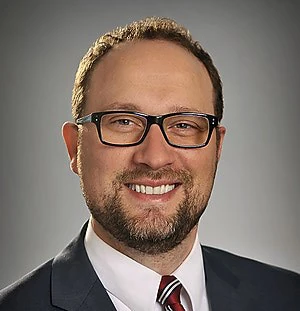
Matthew Wodziak, MD
Assistant Professor — Movement Disorders Neurology
Dr. Matthew Wodziak is a movement disorders neurologist specializing in Parkinson’s disease, Deep Brain Stimulation, and advanced neuromodulation therapies. He completed his adult neurology residency at the University of Wisconsin before pursuing fellowship training in Movement Disorders at the University of Minnesota, where he developed advanced expertise inthe medical and procedural management of complex movement disorders.
His clinical and academic interests focus particularly on Parkinson’s disease and Deep Brain Stimulation, including the long-term management and programming of DBS systems. As part ofthe RUSH movement disorders and neuromodulation team, Dr. Wodziak works closely with neurologists, neurosurgeons, advanced practice providers, and programming specialists to help guide patients through evaluation, treatment selection, postoperative care, and long-term symptom management.
Dr. Wodziak is especially passionate about helping patients navigate the often complicated progression of movement disorders while tailoring treatment plans to each individual’s symptoms, goals, and quality of life. His approach emphasizes thoughtful longitudinal care, careful adjustment of therapies over time, and close collaboration with both patients and families throughout the treatment journey.
As part of the larger RUSH movement disorders program, he contributes to a highly specialized and nationally recognized multidisciplinary team involved in advanced neuromodulation care, education, and clinical research.
Outside of medicine, Dr. Wodziak enjoys spending time with his family attending various sporting activities and is an avid Chicago sports fan.
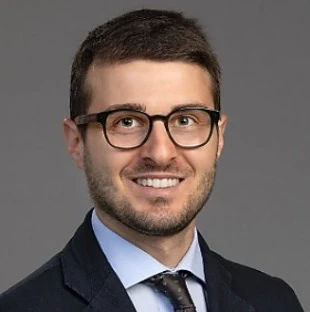
Pierpaolo Turcano, MD
Movement Disorders Neurology Assistant Professor, Department of Neurological Sciences
Dr. Pierpaolo Turcano is a board-certified neurologist and movement disorders specialist with expertise in Parkinson’s disease and other complex movement disorders. He completed his neurology residency training at Mayo Clinic in Jacksonville, Florida, followed by fellowship training in Movement Disorders at Mayo Clinic in Rochester, Minnesota, where he developed advanced expertise in the diagnosis and longitudinal management of movement disorders and neurodegenerative disease.
Dr. Turcano is an Assistant Professor of Neurological Sciences at Rush University Medical Center and a member of the multidisciplinary movement disorders and neuromodulation team. His clinical work focuses on the comprehensive care of patients with Parkinson’s disease, tremor disorders, dystonia, and related neurologic conditions, including patients being evaluated for or treated with advanced therapies such as Deep Brain Stimulation and MRI-guided Focused Ultrasound.
His research and academic interests center on improving long-term patient outcomes through the identification and study of factors associated with slower disease progression, preservation of quality of life, and more favorable neurologic trajectories across a variety of movementdisorders. He is particularly interested in understanding how individualized care strategies and longitudinal management can help optimize both symptom control and long-term functional outcomes for patients living with chronic neurologic disease.
Within the RUSH movement disorders program, Dr. Turcano works closely with neurologists, neurosurgeons, neuropsychologists, advanced practice providers, therapists, and coordinators to provide highly coordinated multidisciplinary care tailored to each patient’s individual needs and goals. Patients frequently value his thoughtful and patient-centered approach, as well as hisemphasis on careful listening, education, and long-term partnership throughout the treatment journey.
As part of one of the nation’s busiest and most experienced movement disorders programs, Dr. Turcano contributes to a team deeply involved in clinical care, education, and ongoing research aimed at advancing the treatment of movement disorders and neuromodulation therapies.
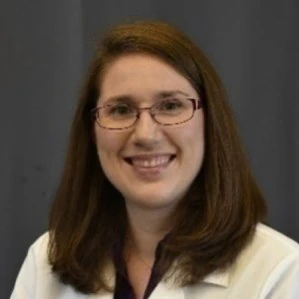
Christina Swan, MD, PhD
Movement Disorders Neurology — Assistant Professor, Department of Neurological Sciences
Dr. Christina Swan is a neurologist and movement disorders specialist with expertise in the diagnosis and longitudinal management of Parkinson’s disease and other complex movement disorders, including the evaluation and management of patients undergoing advanced neuromodulation therapies.
Proudly born and raised in New Jersey, Dr. Swan completed both her medical and graduate training at Duke University, earning her MD and PhD before continuing her neurology residency training at the University of Pennsylvania. She subsequently completed fellowship training in Movement Disorders at Rush University Medical Center, where she further developed expertise in advanced therapies for movement disorders and ultimately joined the faculty.
As part of the RUSH Movement Disorders and Neuromodulation Program, Dr. Swan works closely with neurologists, neurosurgeons, neuropsychologists, advanced practice providers, nurses, and coordinators to help guide patients through diagnosis, treatment selection, and long-term care. Her clinical practice includes caring for patients with Parkinson’s disease, tremor disorders, dystonia, and related neurologic conditions, including patients being considered for or treated with Deep Brain Stimulation and other advanced therapies.
Dr. Swan values the opportunity to develop long-term relationships with patients and families and believes that movement disorders care works best when treatment plans are individualized and evolve alongside each patient’s goals, symptoms, and stage of disease.
Outside of medicine, Dr. Swan is an enthusiastic and unapologetically opinionated reader of epic fantasy novels — an interest that goes back to a dedicated class on The Lord of the Rings trilogy in high school.