Life after Deep Brain Stimulation is not defined by the device itself, but by what the device allows patients to regain. For most individuals, the transition happens gradually. In the early weeks, there is recovery from surgery and the beginning of programming. Over time, as stimulation is refined and medications are adjusted, many patients begin to experience a more stable and predictable pattern of symptoms. What often changes is not just how the body feels, but how the day feels—less uncertainty, fewer interruptions, and more control.
What changes day to day
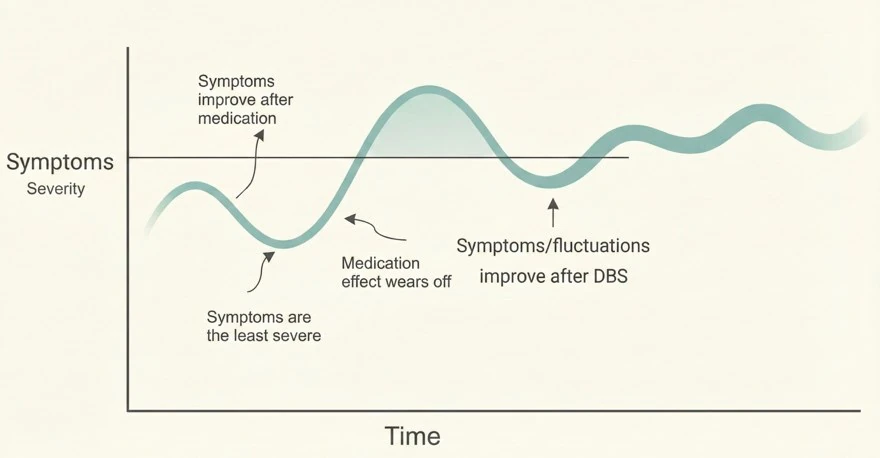
For patients with Parkinson’s disease, this may mean fewer fluctuations between ON and OFF states, less time spent waiting for medications to take effect, and less disruption from dyskinesias. For those with essential tremor, it may mean the return of steady hands—being able to write legibly, eat without spilling, or hold a cup without hesitation. For patients with dystonia, improvement may come more gradually, but can include reduced pain, improved posture, and greater ease of movement. These changes are often most meaningful not in the clinic, but in everyday moments—meals, conversations, hobbies, and time with family.
Programming continues
DBS is not a one-time treatment that ends after surgery. It becomes part of ongoing care. Programming visits continue over time, especially in the first several months, as settings are adjusted to find the best balance between symptom control and side effects. Even after this initial period, periodic follow-up remains important. As underlying conditions evolve, the system can be reprogrammed to adapt. This flexibility is one of the defining strengths of DBS.
Medications after DBS
Most patients continue to take some medications after DBS, although doses are often reduced or simplified. The goal is not necessarily to eliminate medications entirely, but to use them more effectively alongside stimulation. Many patients find that their medication schedule becomes less burdensome and more predictable.
Living with the device
From a practical standpoint, the DBS system itself becomes familiar over time. The pulse generator, typically located in the chest, is designed to be low-profile. Patients are given a handheld controller that allows them to check the system and, in some cases, make limited adjustments within safe parameters set by their care team. Rechargeable systems require periodic charging—often once a week or less—while non-rechargeable systems last several years before needing replacement. Battery replacement is a relatively simple outpatient procedure.
Three companies make the deep brain stimulation systems available in the United States. All three are well established, and the differences that matter most are practical ones: how the battery is managed, what kind of MRI scan is possible afterwards, how settings are adjusted, and what the patient carries.
| Medtronic | Abbott | Boston Scientific | |
|---|---|---|---|
| The leads placed in the brain |
|
|
|
| The stimulator, and its battery |
|
|
|
| MRI scans |
|
|
|
| Brain sensing and adaptive stimulation |
| No sensing and no adaptive stimulation — the device delivers the settings the team programs | No sensing and no adaptive stimulation — the device delivers the settings the team programs |
| How stimulation is shaped in clinic |
|
|
|
| Adjusting settings from home |
|
|
|
| What the patient carries |
|
|
|
All three systems are MR Conditional, which means a scan is permitted only under the conditions set out in the labelling for the exact combination of parts implanted — which is why every scan is arranged through the DBS team. On any rechargeable system, higher stimulation settings mean more frequent charging. Platform names and features also change often, and the team reviews the options as they stand at the time of the decision: the device is chosen together with the patient, based on symptoms, imaging and what matters most day to day.
Travel, exercise and everyday activities
Most daily activities can be resumed after recovery. Patients can travel, exercise, and engage in normal routines. Airport security systems and most household electronics are safe, though patients carry a device identification card and are given guidance on navigating security checkpoints. Certain medical procedures, particularly MRI scans, require coordination with the DBS team, but modern systems are increasingly compatible with imaging when proper protocols are followed.
The emotional adjustment
There are also adjustments that occur beyond the physical. Some patients describe a period of recalibration—getting used to moving differently, trusting their body again, or returning to activities they had gradually given up. For others, there is an emotional component to improvement, particularly after living with chronic symptoms for many years. These changes are normal, and they are part of the broader process of adapting to life with improved function.
What DBS does not do
It is also important to recognize that DBS has limits. It does not stop disease progression, and some symptoms may continue to evolve over time. This is especially true for aspects of Parkinson’s disease such as balance, speech, or cognition. The role of DBS is to improve the symptoms that are most responsive, allowing patients to function better within the broader course of their condition.
A long-term partnership
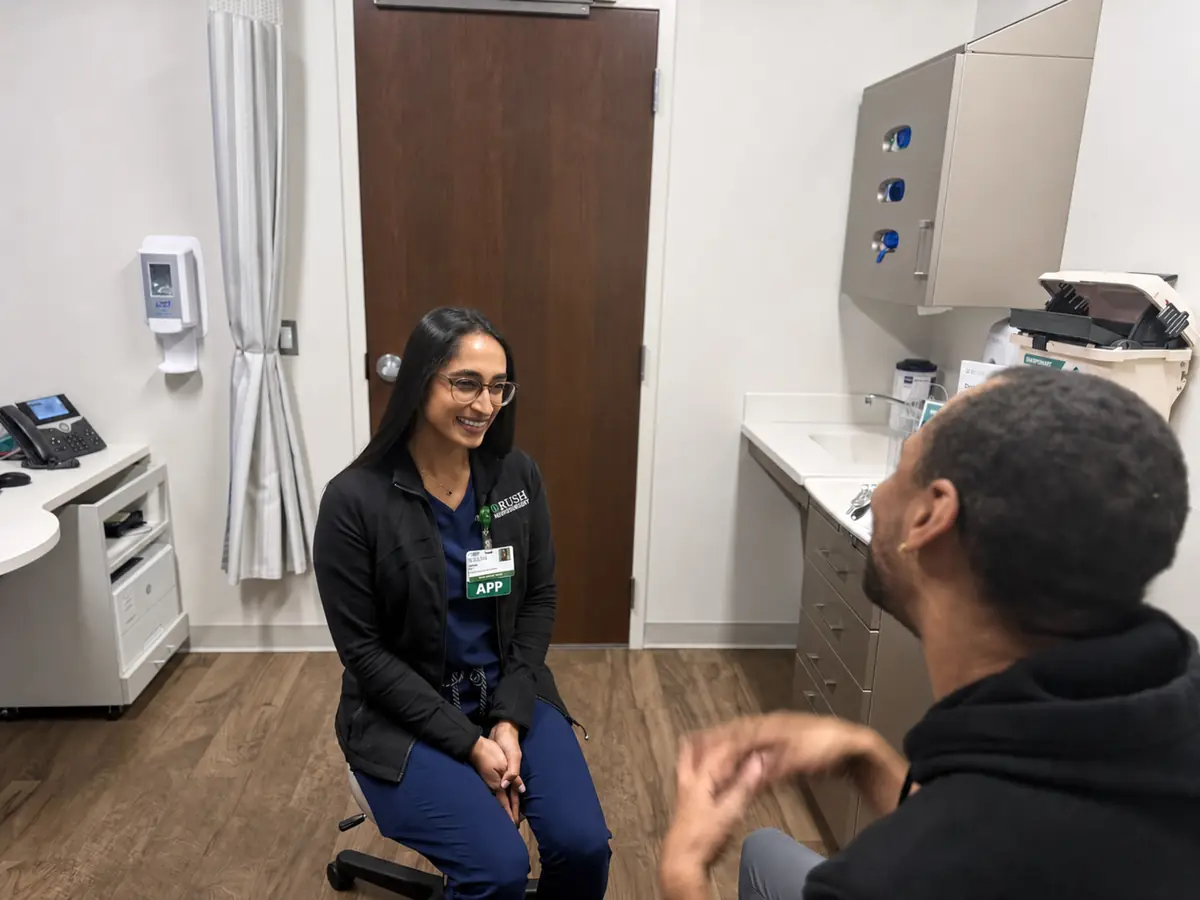
Long-term success with DBS depends on partnership. The device provides the capability, but the outcome depends on ongoing communication between the patient and the care team. Adjustments, follow-up visits, and honest discussions about symptoms all contribute to maintaining benefit over time.
Perhaps the most accurate way to think about life with DBS is this: the device fades into the background, and what comes forward is function. Patients spend less time thinking about tremor, stiffness, or fluctuations, and more time focusing on the things that matter to them. The goal is not perfection, but meaningful, sustained improvement—and for many patients, that is exactly what DBS provides.