
One of the major advantages of MRI-guided Focused Ultrasound is the relative simplicity of the recovery process. Because there are no incisions, no implanted hardware, and no opening of the skull, recovery is generally much faster and physically easier than traditional surgery. Most patients are surprised by how manageable the experience feels afterward, especially considering that the treatment itself occurs within the brain.
At the same time, it is important to understand that focused ultrasound is still a precise neurosurgical procedure. Although the external physical footprint is small, the brain still undergoes a controlled treatment, and the recovery process reflects the brain adapting to those changes over time.
Immediately After the Procedure
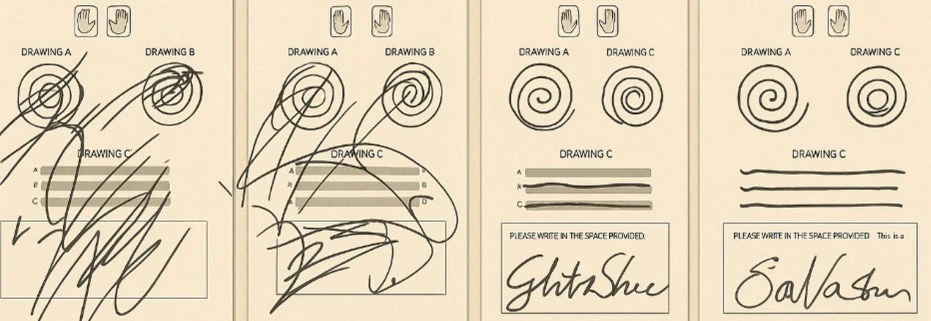
Once the treatment is completed, patients are observed for a period of time before discharge. During this phase, the team monitors neurologic function, balance, hydration, and overall comfort. Many patients immediately notice improvement in tremor, often for the first time in years. Seeing the hand remain steady after treatment can be an emotional moment for both patients and families.
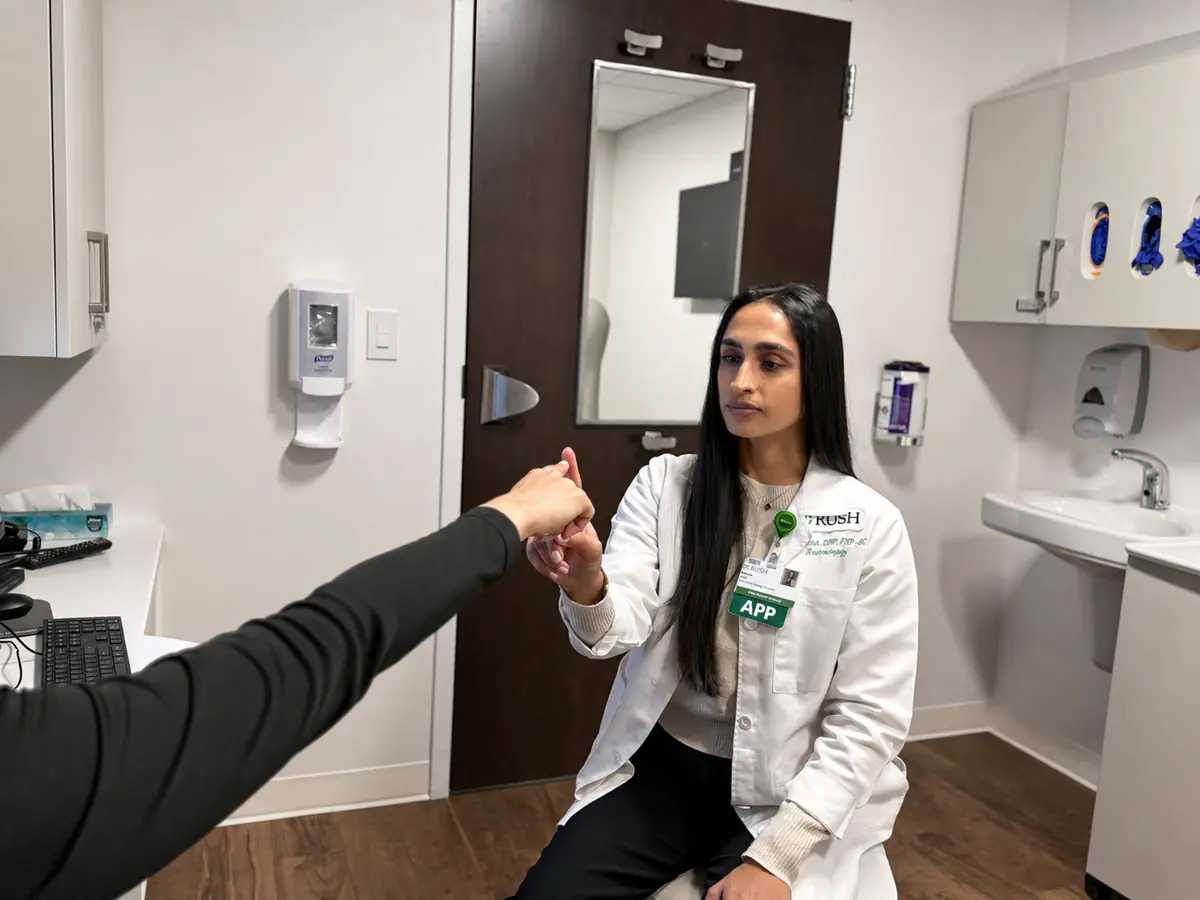
Physically, most patients feel surprisingly well immediately afterward. Mild fatigue is common, particularly because the treatment day itself is long and mentally demanding. Some patients experience mild scalp soreness or headache related to the stereotactic frame placement, but significant pain is uncommon.
Unlike DBS, there are no surgical incisions to heal, no implanted wires or batteries, and no need for wound care. Most patients go home the same day.
The First Few Days
During the first several days after focused ultrasound, the most common experience is simply feeling tired or “slowed down.” This is normal. Patients are encouraged to take things easy initially and allow the body and brain time to recover.
Temporary symptoms can occur during this early phase, particularly because mild swelling develops around the treatment site within the brain. Depending on the exact target and individual anatomy, patients may experience:
-
mild imbalance or unsteadiness,
-
numbness or tingling involving the lips, tongue, or fingers,
-
temporary gait difficulty,
-
mild dizziness,
-
or a sensation of heaviness or awkwardness in the treated side.
For most patients, these symptoms are mild and improve gradually over days to weeks as swelling subsides. Steroid medications are sometimes prescribed temporarily to help reduce inflammation and improve recovery.
One of the most important practical points is that patients should not expect to “test themselves” excessively during the first few days. It is natural to focus intensely on every movement after treatment, but recovery is not always perfectly linear day-to-day. Fatigue and temporary swelling can cause fluctuations early on before things stabilize.
Balance and Walking
Balance deserves special mention because it is one of the more common temporary effects after focused ultrasound treatment for tremor. The brain circuits involved in tremor control are anatomically close to pathways involved in coordination and gait. As a result, some patients experience temporary unsteadiness after treatment, particularly during the first several weeks.
For most individuals, this improves steadily over time. Patients are encouraged to be cautious initially, especially on stairs or uneven surfaces, and to use assistance if needed during the early recovery phase. Rarely, balance changes can persist longer-term, which is one reason careful target selection and procedural precision are so important.
Recovery Compared with DBS
Recovery after focused ultrasound differs substantially from recovery after DBS. There is no programming phase, no future battery replacements, and no hardware management. The therapeutic effect comes directly from the lesion created during treatment itself.
For many patients, this simplicity is one of the most attractive aspects of focused ultrasound. Once recovery stabilizes, there is generally no need for repeated in-person device adjustments. Follow-up focuses on monitoring symptom control and overall neurologic function rather than programming settings.
Another major advantage is that much of the follow-up care can be performed through telemedicine. Because there is no implanted hardware to interrogate or adjust, patients who live far from Chicago often find focused ultrasound particularly convenient. Many patients return home shortly after treatment and continue follow-up remotely, avoiding repeated long-distance travel back to the center.
The Emotional Side of Recovery
Recovery after focused ultrasound is not only physical. Many patients have lived with tremor or Parkinsonian symptoms for years before treatment. Over time, people unconsciously adapt their lives around symptoms—avoiding restaurants, changing handwriting, using two hands to hold objects, withdrawing from social settings, or giving up hobbies and activities.
When tremor improves, there is often a period of adjustment that follows. Patients may find themselves cautiously testing movements they had stopped trusting long ago. Something as simple as signing a name clearly or drinking from a glass without thinking about it can feel unexpectedly emotional.
At the same time, expectations remain important. Focused ultrasound is designed to improve specific symptoms, not cure the underlying disease. Some symptoms may remain unchanged, and conditions such as Parkinson’s disease may continue to evolve over time. The goal is meaningful functional improvement, not perfection.
Long-Term Expectations
For most patients, tremor improvement after focused ultrasound is durable and sustained. Clinical studies in essential tremor have demonstrated long-term benefit extending years beyond treatment in appropriately selected patients. Many patients continue to experience meaningful improvement in daily function and quality of life long after the procedure itself.
The long-term experience is also shaped by the absence of implanted hardware. There are no future battery replacements, no charging systems, and no adjustments that require ongoing programming visits. For some patients, particularly those traveling from out of state or those seeking a less maintenance-intensive treatment, this simplicity can be a major advantage.
At RUSH, recovery is approached as part of a larger continuum of care rather than simply the period immediately after treatment. Follow-up visits—whether in person or by telemedicine—focus on symptom evolution, balance, medications, and overall quality of life. The goal is not just technical success on the day of treatment, but meaningful and lasting improvement in how patients function day-to-day.
Ultimately, recovery after focused ultrasound is usually much less physically difficult than patients anticipate. The procedure itself may seem technologically intimidating beforehand, but most individuals quickly realize that the experience is more manageable and streamlined than expected. For many patients, the most meaningful part of recovery is not simply the absence of tremor—it is the gradual return of confidence and normalcy in everyday life.