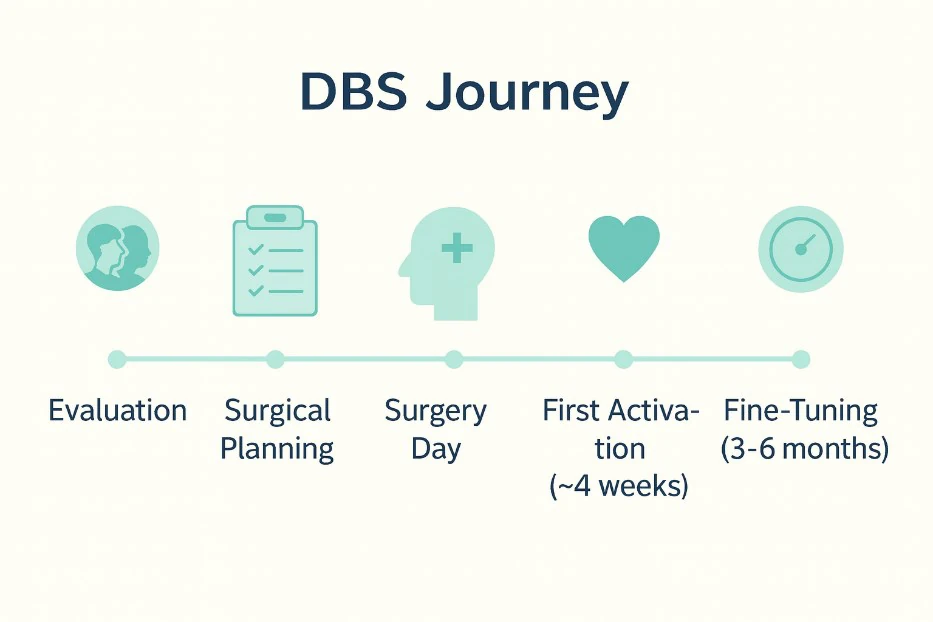
Recovery after Deep Brain Stimulation is best understood as a two-phase process: the physical recovery from surgery, followed by the programming phase, where the full benefit of DBS is realized. While the surgery itself is highly precise, it is the combination of healing and thoughtful, expert programming that ultimately determines the outcome.
The first days after surgery
In the immediate period after surgery, most patients spend one night in the hospital for observation. This allows the team to monitor neurologic status, ensure comfort, and confirm that everything is stable before discharge. By the following morning, the majority of patients are ready to go home. One of the most common reactions is that the recovery feels less intensive than expected, especially given the complexity of the procedure.
Physically, recovery is typically straightforward. The incisions are small, and discomfort is usually mild. Most patients do well with simple medications such as acetaminophen and anti-inflammatory agents. Opioid medications are generally not necessary. It is normal to feel fatigued for several days, and some patients notice mild swelling around the scalp or a sense of tightness along the path of the implanted wires under the skin. These sensations improve steadily over the first one to two weeks.
From a practical standpoint, patients are encouraged to take it easy initially—light activity is appropriate, but strenuous exertion is avoided until healing progresses. Walking, eating normally, and returning to basic routines typically happen quickly. The focus during this early period is not on pushing recovery, but on allowing the body to heal.
Why the device is not switched on right away
One of the most important concepts to understand is that DBS is not turned on immediately after surgery. At RUSH, initial programming typically begins about four weeks after implantation. This waiting period is intentional. It allows any temporary swelling in the brain to subside and ensures that programming is performed under stable conditions.
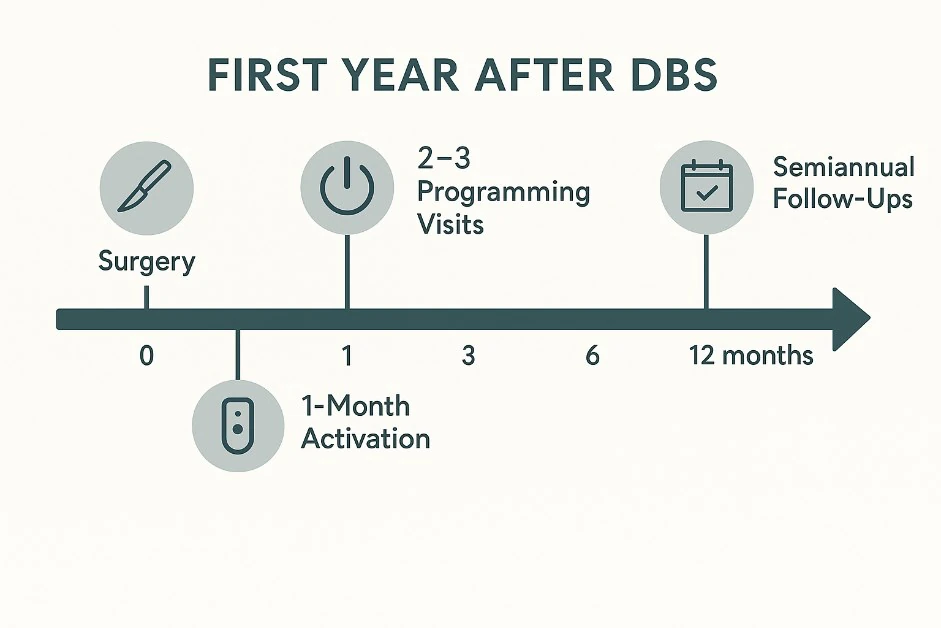
During this time, patients generally continue their medications as they were taking them before surgery. Some patients notice a temporary improvement in symptoms before programming begins. This is often referred to as a microlesion or “honeymoon” effect, caused by the presence of the electrode itself altering local brain activity. While this can be encouraging, it is temporary and does not represent the long-term effect of DBS.
The first programming visit
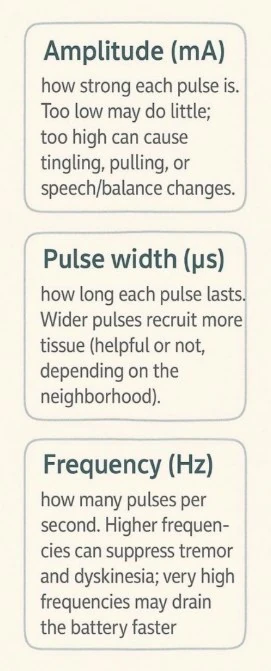
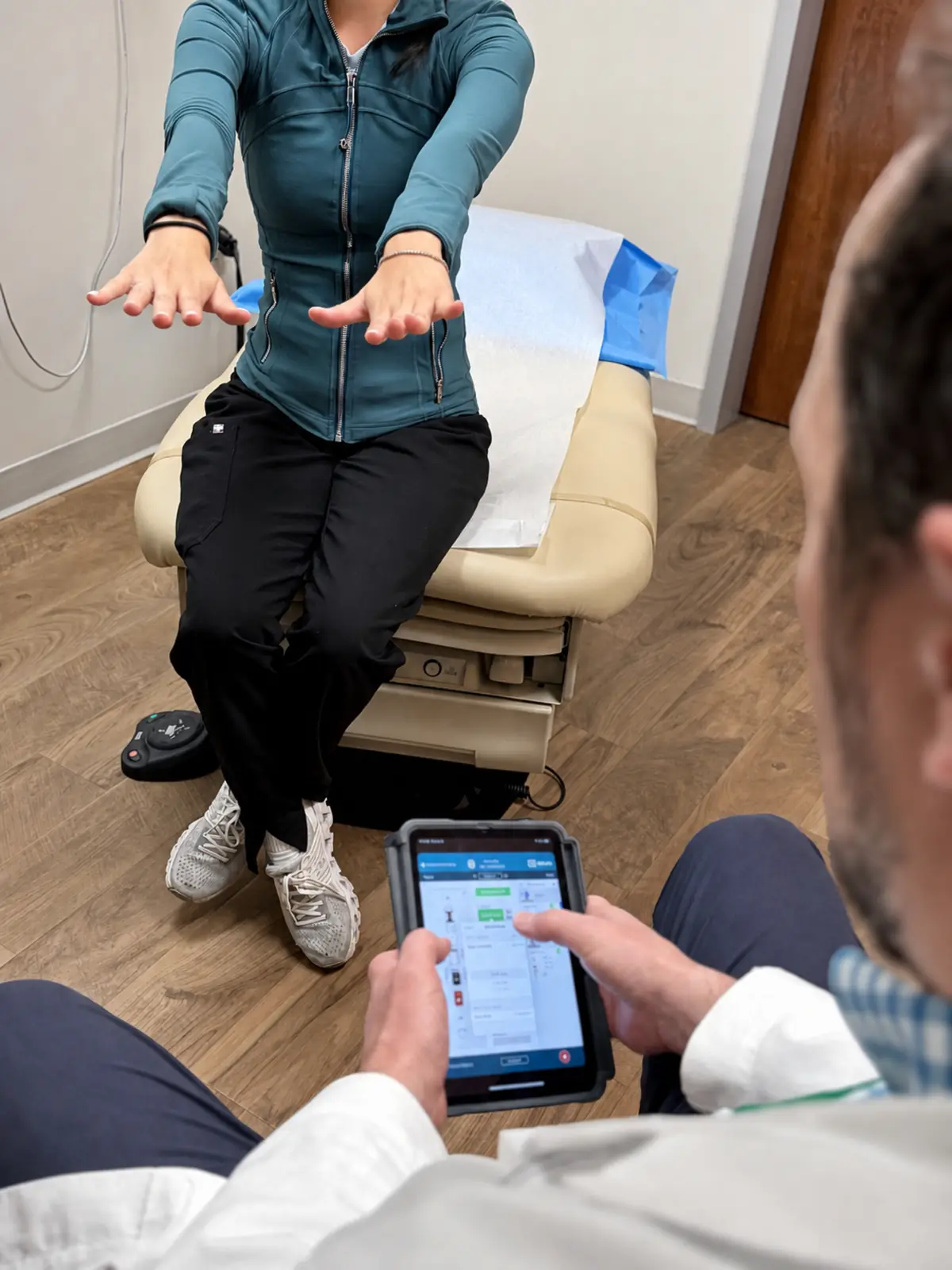
The true therapeutic benefit begins with programming, which is one of the most critical parts of the entire DBS process. During the initial programming session, the device is activated and different stimulation settings are tested. The neurologist evaluates how each setting affects symptoms such as tremor, stiffness, or slowness, while also monitoring for side effects such as tingling, speech changes, or imbalance. This process is methodical and individualized.
Fine-tuning over the following months
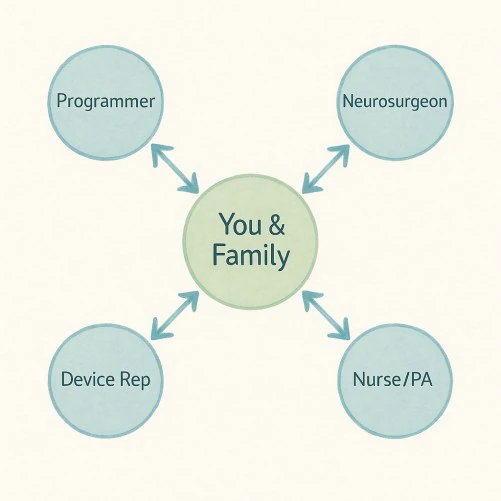
Programming is not a one-time event. It is a stepwise process that unfolds over multiple visits. Early on, adjustments may be more frequent as the team works to identify the optimal settings. Medications are also gradually adjusted during this time. The goal is to find the right balance between stimulation and medication to achieve the best functional outcome with the fewest side effects.
The literature consistently shows that outcomes with DBS are highly dependent not only on accurate lead placement, but also on expert postoperative programming and long-term management. This is one of the key reasons why experienced, multidisciplinary centers achieve better and more consistent results. Programming requires a detailed understanding of brain targets, symptom patterns, device capabilities, and how these interact over time.
What improvement actually looks like
It is also important to set realistic expectations for how improvement unfolds. For Parkinson’s disease and essential tremor, many patients begin to see meaningful changes early in the programming phase, though refinement continues over weeks to months. For dystonia, improvement is often more gradual and may continue to evolve over several months or longer.
Long-term follow-up
Long-term, DBS becomes part of ongoing care rather than a one-time intervention. Follow-up visits allow for continued adjustment as symptoms change over time. The system itself is designed to be adaptable, and newer technologies—such as directional leads and sensing capabilities—allow for increasingly precise control of stimulation.
From a patient perspective, recovery after DBS is not defined by the day of surgery. It is defined by the progressive return of function, the smoothing out of symptoms, and the gradual improvement in daily life as programming is optimized. With time, most patients move from focusing on the device itself to focusing on what the device allows them to do.
The central message is simple: surgery creates the opportunity, but programming unlocks the benefit.