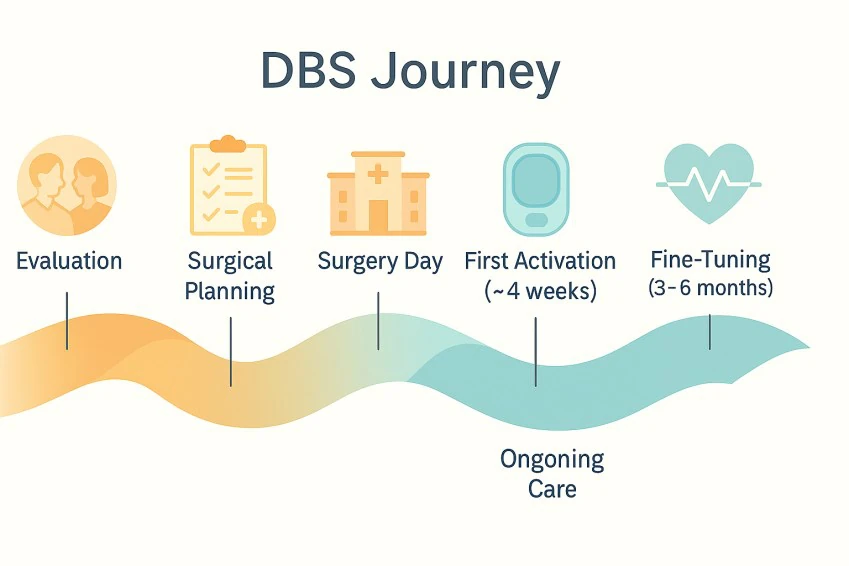
Preparing for DBS surgery is not just about the day of the operation. It is a process that begins weeks to months earlier and gradually becomes more focused as the date approaches. Understanding what to expect—and why each step matters—can make the experience feel far more manageable and controlled.
Making sure DBS is the right decision
In the earlier phase, preparation is centered on making sure DBS is the right decision. By the time surgery is scheduled, you have already gone through a structured evaluation with your care team. The diagnosis has been confirmed, the symptoms have been carefully assessed, imaging has been reviewed, and the expected benefits and limitations have been discussed in practical terms. This part of the process is often overlooked by patients, but it is the most important. It ensures that when you move forward, you are doing so for the right reasons, with a clear understanding of what DBS is likely to help.
Tests and medication changes
As surgery becomes more immediate, the focus shifts to practical details. In the days to weeks leading up to the procedure, your team will review medications and give specific instructions. Certain medications—particularly blood thinners, anti-inflammatory drugs, or supplements—may need to be adjusted or temporarily stopped. These decisions are individualized, and it is important to follow the guidance provided. You may also have routine lab work or final imaging completed. These steps are not complicated, but they are important in making sure everything proceeds safely.
How patients often feel beforehand
During this time, it is also very common to feel a growing sense of anticipation. Patients often describe a mix of hope and anxiety. That is normal. You are preparing for brain surgery, even if the physical aspects of the procedure are smaller than expected. One of the most helpful things you can do is reduce uncertainty wherever possible. Simple steps—knowing exactly where to go, what time to arrive, what to bring, and who will be with you—can make a meaningful difference.
Planning the logistics
Many patients find it helpful to do a “dry run” a few days before surgery. Driving to the hospital, identifying parking, and walking through the route to the entrance removes small stressors that can feel much larger on the morning of surgery. Planning ahead for logistics—transportation, meals, childcare if needed, and time off—helps create a sense of control at a time when things can otherwise feel unpredictable.
Preparing mentally
It is also important to prepare mentally. There is no single “right” way to feel. Some patients want to read everything and understand every detail. Others prefer to focus only on the essentials. Both approaches are reasonable. What matters is that you feel informed enough to move forward with confidence. If there are specific fears—about being awake, about anesthesia, about the outcome—it is worth discussing them directly with your care team. Most concerns are common, and the team is used to addressing them.
What your team is doing behind the scenes
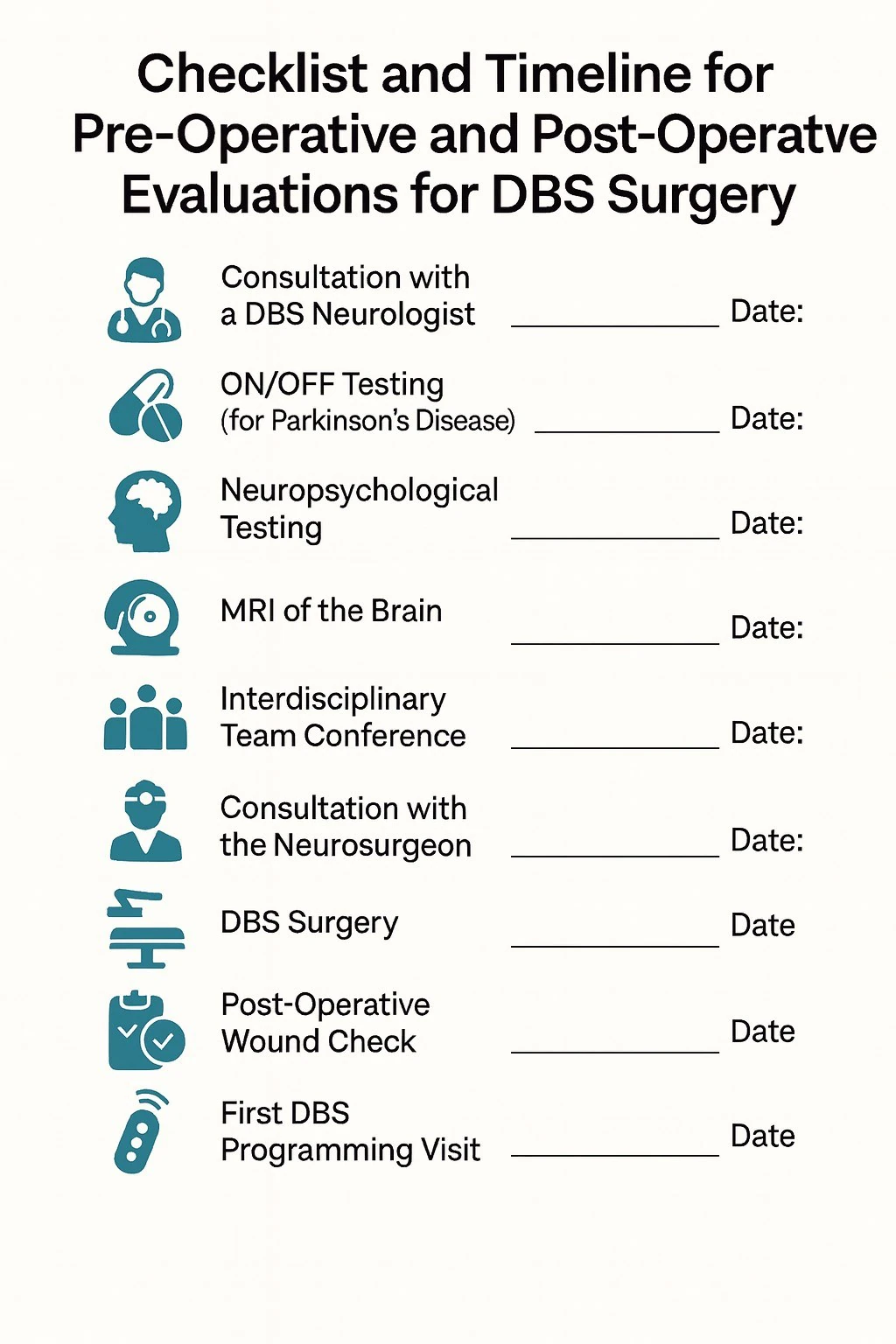
Behind the scenes, preparation is just as thorough. In the days before your surgery, your imaging is reviewed again, the surgical plan is finalized, and the targeting and navigation systems are prepared specifically for your anatomy. This includes confirming the exact location of the brain target, planning the safest path to reach it, and ensuring that all equipment—from imaging to navigation to stimulation systems—is ready. By the time you arrive, the team is not figuring things out in real time. They are executing a plan that has already been carefully developed around you.
The night before
The night before surgery, most patients are asked not to eat or drink after a certain time. You will be given clear instructions about medications—what to take, what to hold, and when. It is helpful to keep the evening simple: eat a light meal if allowed, get as much rest as you can, and avoid overcomplicating the night with last-minute tasks.
The morning of surgery
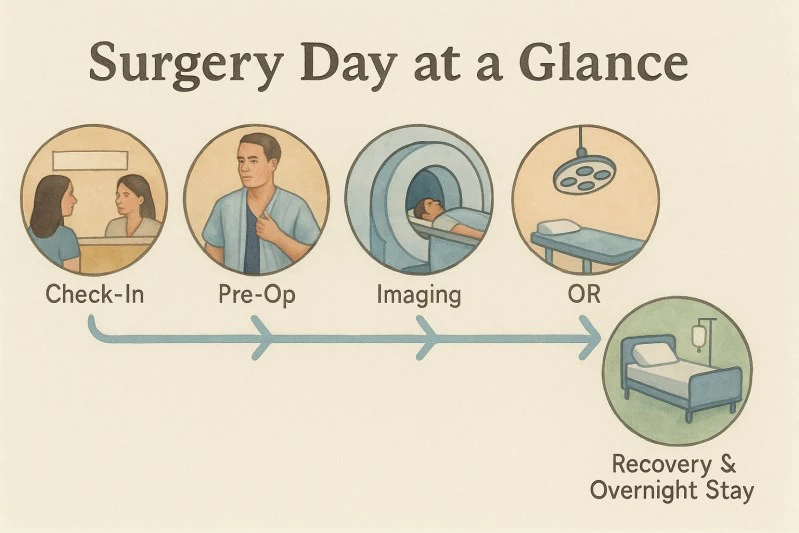
On the morning of surgery, things move in a structured and predictable way. You will check in, meet the nursing and anesthesia teams, and review the plan again with your surgeon. This is often when nerves are highest. That is expected. What many patients notice, however, is that once the process begins, there is a sense of calm that comes from being guided step by step by a team that does this routinely.
What to bring
From a practical standpoint, bring only what you need—identification, a list of medications, and comfortable clothing for after surgery. Leave valuables at home. Plan for a short hospital stay, typically one night. Arrange for someone to drive you home the following day and to be available for support during the first few days if needed.
Perhaps the most important point is this: you are not responsible for managing the surgery. Your role is to arrive prepared and informed. The responsibility for the technical aspects—the planning, the execution, the safety—rests with the team. Preparation is about positioning yourself so that the day feels as smooth and predictable as possible, not about trying to control every detail.
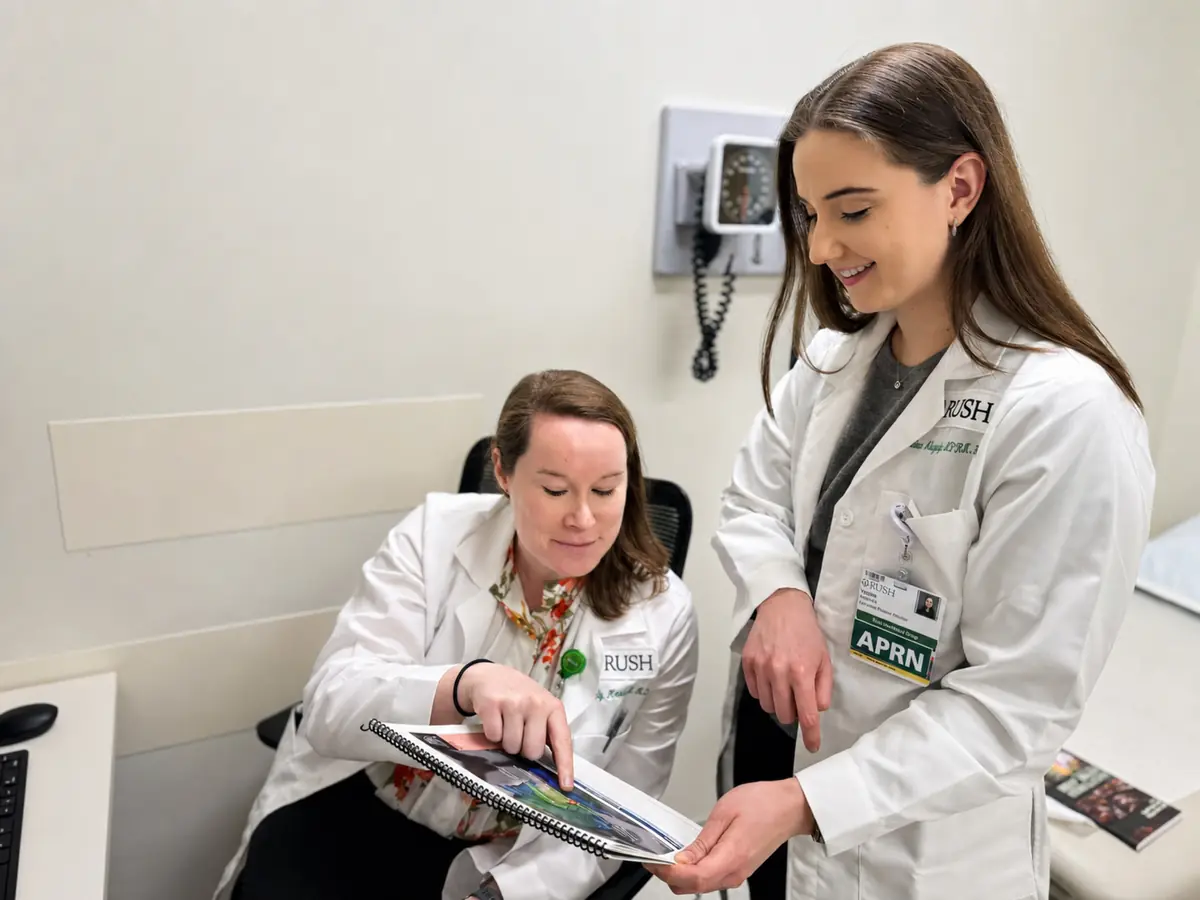
For most patients, the period leading up to DBS surgery is more emotionally challenging than the recovery itself. What often brings a sense of reassurance at this stage is recognizing that you are not facing this alone. You are supported by a deeply experienced, multidisciplinary team that has spent years—often decades—caring for patients with the same concerns, fears, and hopes. This is a group that has taken the time to understand your condition, your symptoms, and your goals, and has carefully guided you to this point. On the day of surgery and beyond, that same team is present—not just to perform a procedure, but to walk with you through the entire process. Their experience, preparation, and commitment are focused entirely on you, and that continuity of care is one of the most important parts of a successful outcome.